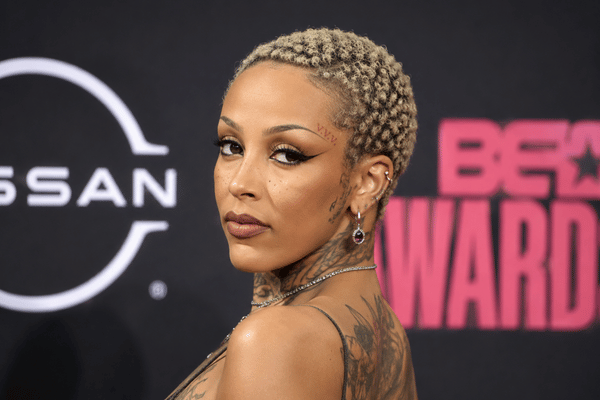
Doja Cat is taking a candid look at some of the most difficult periods of her life, opening up about past substance use, mental health struggles and years spent wrestling with her identity and self-image.
The 30-year-old singer and rapper discussed the subjects in a series of TikTok videos, revealing that she struggled with cocaine approximately eight years ago. She made clear that the experience belongs to her past and said she has moved beyond that chapter of her life.
Doja also acknowledged having a complicated relationship with alcohol. Although she said she did not consider herself an alcoholic, she recognized that drinking had become problematic.
Part of that struggle, she explained, involved the combination of alcohol, negative thinking and social media. Doja described how turning to the internet for validation could reinforce thoughts that were already damaging, particularly when mental-health concerns were not being properly addressed.
The discussion comes as the Grammy-winning artist has become increasingly open about her mental health and the work she has done to better understand it. Rather than separating her online behavior from what was happening personally, Doja connected some of those experiences to a period when she was struggling internally.
She also confronted one of the more persistent narratives surrounding her public image: accusations that she harbors hatred toward herself or her racial identity.
Doja, who is biracial, described experiencing identity and self-image difficulties beginning in childhood. Moving into a predominantly white environment while she was young contributed to a complicated process of understanding where she fit in and how she viewed herself.
She has faced years of intense online criticism and controversy, with some incidents leading critics to make much broader claims about her beliefs and attitudes toward race. In her latest comments, Doja firmly rejected descriptions of herself as racist, a white supremacist or a Nazi.
Instead, she portrayed her younger years as part of a difficult personal journey involving insecurity, mental health, substance use and an evolving understanding of her identity.
Her reflections did not attempt to erase the controversies that have followed her. They offered something different: her own explanation of what was happening behind the public persona while those controversies unfolded.
Doja said she has since reached a better place with her identity and appearance, suggesting that learning to accept herself has been a gradual process rather than an overnight transformation.
For an artist whose career has often blurred the boundaries between provocation, humor and deeply personal expression, the unusually vulnerable discussion provided a different perspective on the person behind the headlines.
This time, rather than responding to controversy with another joke or an elaborate visual statement, Doja Cat chose to talk plainly about where she has been, what she has struggled with and how she is trying to move forward.
