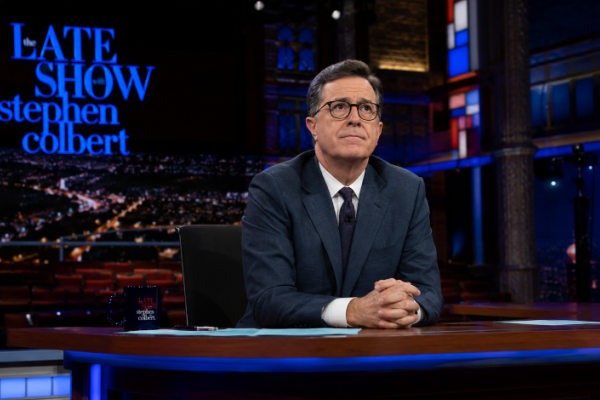
For more than 30 years, “The Late Show” represented one of the crown jewels of network television. That era is now coming to an end.
CBS confirmed that “The Late Show with Stephen Colbert” will air its final episode on May 21, 2026, officially closing the curtain on a franchise that began with David Letterman in 1993. The announcement stunned many television insiders, especially because Colbert’s version of the show has remained a ratings leader in late night for nearly a decade.
Network executives insist the decision comes down to economics. Traditional late-night television has struggled to maintain profitability as audiences increasingly consume comedy clips, interviews, and political commentary through YouTube, TikTok, podcasts, and streaming services. Producing a nightly broadcast talk show remains expensive, and advertising revenue has steadily declined across the industry.
Still, the timing of the cancellation ignited immediate speculation.
The move arrived during Paramount’s high-profile merger with Skydance Media and shortly after a controversial settlement involving Donald Trump and CBS News. Critics quickly questioned whether Colbert’s outspoken political commentary may have played a role in the network’s decision. CBS has repeatedly denied that politics influenced the outcome.
David Letterman, who built “The Late Show” into a late-night institution before handing the reins to Colbert in 2015, did not hold back in his reaction. The longtime host sharply criticized CBS leadership and publicly challenged the explanation that finances alone doomed the program.
Colbert himself has handled the announcement with a mix of gratitude, humor, and reflection. While acknowledging the harsh realities facing broadcast television, he has also celebrated the loyalty of viewers and staff who helped keep the show at the top of the ratings race through years of political upheaval, cultural change, and industry disruption.
The end of “The Late Show” also signals a broader shift for network television. Once dominated by hosts like Johnny Carson, Jay Leno, David Letterman, and Conan O’Brien, the late-night format no longer carries the same cultural dominance it enjoyed for decades. Younger audiences now gravitate toward digital creators and on-demand entertainment instead of staying up for scheduled nightly broadcasts.
CBS plans to hand the time slot over to Byron Allen’s “Comics Unleashed,” a significantly less expensive production that reflects the industry’s new financial realities.
As for Colbert, the comedian appears far from finished. He has hinted at future comedy ventures, political commentary projects, and creative work beyond the traditional late-night desk. Whatever comes next, his departure closes one of the final chapters of classic network late night television.
