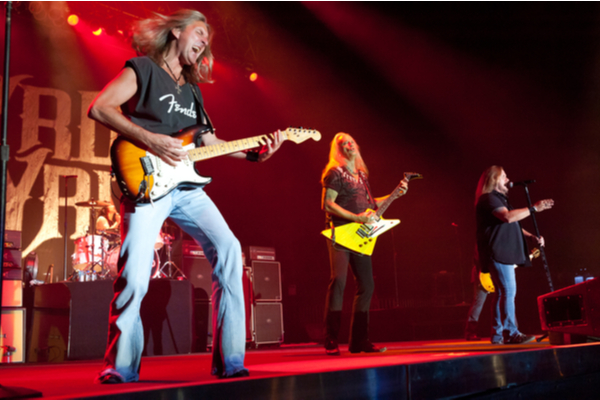
Many of the rock bands that helped define the 1970s are still touring today, yet many of them no longer include even a single founding member. That curious fact raises questions about identity, legacy and what it really means to be a “band” decades on.
What started as a vehicle of creative energy and youthful revolt has transformed, for these groups, into a functioning legacy‑brand. For example, Foreigner and Lynyrd Skynyrd are joining forces on their forthcoming tour, which has been billed as the Double Trouble Double Vision Tour. The gathering of such storied names underscores the fact that these bands value the name nearly as much as the music. The tour is not just a gathering of artists but a celebration of brand recognition and nostalgic power.
Yet that recognition also prompts introspection. When a band has no remaining original members, what remains of its identity? Is the name the same band when the voices, the instruments and the founding personalities have all changed? For fans who were drawn to that first spark — the composition, the performative chemistry, the cultural moment — it can feel like a shadow of something vital.
On the other hand, these long‑running bands argue that continuing under their name allows fans both new and old to experience the music live, keep the catalog alive, and across generations. It becomes a living monument rather than a museum piece.
But behind all of it lies a business logic too: decades of art turned into decades of tours, merchandise, nostalgia‑driven ticket sales and legacy preservation. The bands themselves become brands; their members interchangeable as long as the brand delivers the expected experience.
In short, the current era of classic rock legacy acts invites us to ask: when does an iconic band become a tribute act in all but name? And perhaps more importantly: does it matter if the music still resonates?
—
Photo Credit: Randy Miramontez / Shutterstock.com