Around the country in November, the weather turns cooler and outdoor gardening may fade from top of mind. But as Good Housekeeping reports, the fall season is still a productive time for planting in many warmer regions around the United States — as long as you’re strategic about it.
“My thoughts on November planning for the vegetable garden is that you always want to get your hands in the dark, rich earth before it gets too cold to work,” says Frank McClelland, chef-owner of the Massachusetts farm-to-table restaurant collection Frank.
Key to Overall Success is Knowing Your Plant Material
For successful results, plant vegetables and fall flowers that will be able to survive the cold and yelled a harvest. Some vegetables like kale and other greens actually taste better as their leaves mature in colder weather. Some plants (think spring flowers) even require a period of cold to thrive after the thaw. So this season is actually a perfect time for certain planting.
“Knowing your plant material is key to the overall success of keeping plants healthy going into winter months,” explains gardening expert Mary Weber, director of horticulture at Nashville’s Cheekwood Estate & Gardens. She adds this important tip: “Know the planting zone you live in! Planting too late in November can stunt and damage root growth.”
Fall is the Best Time to Plant Bulbs, but is November Too Late?
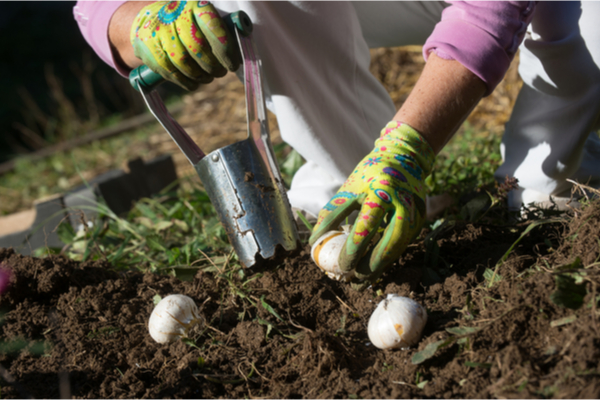
If you want early spring flowers in your garden, you need to plant bulbs in the fall. That’s because spring-flowering bulbs require a certain number of “chill hours,” or temperatures below freezing, in order to bloom well. Bulbs are the ultimate in delayed gratification. But they appear when you most crave color, so they’re absolutely worth planting! Most bulbs also return for many years, making them a great long-term investment in your garden.
The best time to plant bulbs is in the late fall, but it is best to shoot for six to eight weeks before the ground typically freezes. That can a tough date to estimate. If you’re not sure, aim for mid- to late-October in the northern areas and into November and early December in the southern parts of the U.S.
But if you don’t get to it even after winter has set in, try sticking ‘em in the ground anyhow! There’s a chance they’ll bloom. Bulbs do not store well for long periods of time, so there’s not point in holding on to them.
Check your Hardiness Zone
What to plant in November depends on where you live. The most important thing to remember is that you must buy those that will survive winters in your USDA Hardiness Zone. (Find your zone here.) Then you’ll need to plant them before the ground freezes in your area.
So before you get started, also be sure to check out the USDA Hardiness Zone Map that can help you drill down what you should be planting for your specific region. Plus, Good Housekeeping’s list of vegetables, plants and herbs great for November planting can help steer your fall gardening strategy for a hearty, beautiful and tasty yield.
—
Photo Credit: KaliAntye / Shutterstock.com