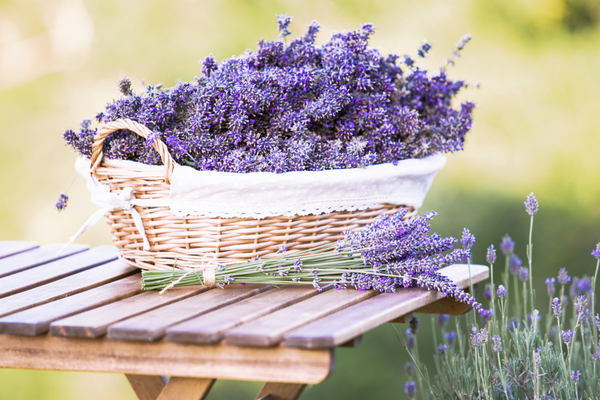
Lavender is a popular plant, and with good reason. It looks good, smells great, and is fairly low-maintenance, but is it really worth the hype?
As Realtor.com reports, the experts say, definitely. Lavender can help transform outdoor spaces—and lead to long-term wins for both your yard and your home value.
Why lavender improves your yard—and your enjoyment of it
What makes lavender so special? Yes, it’s pretty, but it’s also functional. Here are some perks this hearty perennial provides.
Lavender attracts pollinators
Pollinator insects like bees and butterflies can help your garden (and the ecosystem) grow. How do you get pollinators? One way is to plant lavender. Helpful bugs love these purple plants, and planting them is like putting a “welcome” sign for butterflies in your yard.
It naturally repels pests
While lavender attracts desirable bugs, studies show it can also deter mosquitoes. Gene Caballero, co-founder of GreenPal, adds that lavender can also repel deer, as they don’t like the scent or taste. So, if you have a problem with these critters eating up your yard, planting some lavender might be your answer.
These plants are low-maintenance
Sure, lavender might require a fair amount of water when it’s first planted, but Caballero says that once lavender is off to a good start, it’s easy to maintain. Geremy Yamamoto, founder of Eazy House Sale, a real estate development firm based in Los Angeles, notes that lavender can thrive in various soil conditions and climates. Plus, it requires minimal pruning.
All things considered, he calls it an “ideal choice for novice gardeners or those with limited time for upkeep.”
It smells amazing
Another benefit of lavender is the fragrance. Sure, lots of plants have a pleasant scent, but there’s nothing quite like coming home to the soothing scent of lavender. Studies show that the lavender scent has a calming effect and may help reduce anxiety. After a long day, a front yard full of relaxing lavender is the perfect way to start unwinding.
You can clip it and use it
Part of the joy of growing plants is being able to use them. Lavender has many uses around the home, including cooking and baking. Some people like to add lavender in tea while others put it in bathwater for a spa experience. It can even be dried for use as potpourri or as an accent for giftwrap.
A simple way to boost curb appeal with a big payoff
There are many benefits to lavender, but perhaps the best one is improved curb appeal—and increased resale value. Indeed, Yamamoto says that lavender can help sell houses. He notes that well-maintained plants are always a big selling point, but some flora, including lavender, are especially eye-catching for buyers.
Yamamoto recalls working on a property recently that simply wasn’t selling. The suburban home had been on the market for over a year without any offers. So he decided to make some improvements, including sprucing up the yard. There was already some jasmine, so he brought in a few lavender plants to add some contrast. Suddenly, the house was a must-have.
“People would stop by just to take a look at the beautiful lavender bushes and often ended up touring the inside of the house as well,” Yamamoto recalls. “Within weeks, the house received multiple offers and was sold for above the asking price.” He adds that the lavender’s “lovely appearance and delightful scent can create a great first impression.”
The best way to incorporate lavender in your garden
OK, so you like the idea of adding lavender, but how can you work it into your yard?
Melanie Rekola, a landscape and garden designer based in Ontario, says lavender will be beautiful anywhere, as long as it’s planted in a spot that gets full sun and has well-draining soil. Otherwise, she says she likes to position lavender at the edge of a garden border. It usually stays low to the ground, so it won’t block taller plants. Plus, that beautiful purple color and lovely scent deserve a front-row spot.
But Laura Osteen, principal designer and landscape contractor at Secret Garden Landscapes based in San Francisco, says she usually prefers to place lavender away from walkways. She explains that lavender can attract bees, and if there’s a big bee population in the area, this might be troublesome. Plus, she explains that lavender is a seasonal plant, so when the plants are trimmed down in the winter, homeowners can distract from that with larger evergreen plants in front.
No room in the ground? No problem. Yamamoto says that if you don’t have a big yard, lavender can work in outdoor containers or window boxes, too. No matter where you put it, the plant will “bring both color and fragrance to your home’s exterior.”
Which variety of lavender should you plant?
Osteen points out that there are more than 400 varieties of lavender. Your choice might depend on appearance, as different species vary in purple hue and flower shape. But generally, the best options will come down to climate.
If you get snow often, do not fear. Some varieties, like the English lavenders and the hybrids, can survive extreme cold. If you’re in the South or mid-Atlantic, Spanish lavender or French lavender might be a good choice as these thrive in hot climates. Meanwhile, English and Spanish varieties can thrive in wet areas like the Pacific Northwest.
“I am particularly fond of English and French as I feel like they age better,” adds Osteen. “Spanish lavender gets woody a lot faster. One of my favorites is lavender Provence, but another fun one is lavender ‘Meerlo.’”
Tips for growing and maintaining lavender
As stated above, lavender loves the sun, so it’s important to place it in a spot that receives at least 6 to 8 hours of sunlight per day. Also, make sure the soil doesn’t get soggy.
As for maintenance, Rekola says lavender needs to be pruned yearly, so it doesn’t get woody, which will result in fewer flowers and more bald spots. “The best thing to do is prune it lightly in spring as the new leaves emerge, then again after flowering,” she advises. “Never cut back to brown wood, or no leaves will grow in that area.”
Osteen reminds gardeners that, being seasonal, lavender doesn’t have a long lifespan. The plant won’t look like much when it’s dormant in winter. But when it regrows in spring, it’ll be the highlight of your garden.
—
Photo Credit: Kotkoa / Shutterstock.com