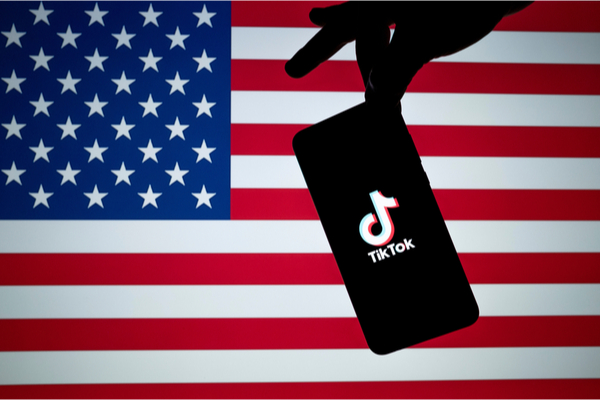
The TikTok deal is done, and users across the country breathed a big sigh of relief to know that their favorite social media app was saved. But that feeling of relief has quickly turned to worry.
As PCMag reports, TikTok now has a new privacy policy that’s already been put into effect, and users are worried about their data and what information the company will collect and share. Here’s what you need to know, and how to read any privacy policy before you agree.
It’s a brand-new era for TikTok in the US, where the Chinese parent company, ByteDance, spun off its US assets to comply with a 2024 foreign aid bill, just one day before the deadline. The app is now controlled by a new company called TikTok USDS Joint Venture LLC, jointly owned by Oracle (backed by billionaire and President Trump’s pal Larry Ellison), Silver Lake, a private equity firm, and MGX, a UAE state-owned AI investment firm based in Abu Dhabi.
What Does it All Mean for Your Privacy on the App?
Once the switch over took place, it shocked some users to find that your normal interactions with the app, such as answering demographic questions to complete your account profile, sending messages, uploading photos and videos, syncing your contacts, or interacting with AI, will reveal a lot about you to the company, including your citizenship status, your gender identity, and your sexuality. What’s worse, TikTok will happily hand over that information to advertisers, governments, and other third parties.
The alarm over the modified privacy policy isn’t without merit. You can get an idea of what TikTok’s old US privacy policy was like by looking at the current policy for users in Europe and the UK. Previously, TikTok’s US privacy policy stated that the company collected information you provide when engaging with the platform in many of the ways described above, though it was not as explicit about the exact actions that trigger data collection. The following paragraph is what generated the most discussion online:
“Information You Provide may include sensitive personal information, as defined under applicable state privacy laws, such as information from users under the relevant age threshold, information you disclose in survey responses or in your user content about your racial or ethnic origin, national origin, religious beliefs, mental or physical health diagnosis, sexual life or sexual orientation, status as transgender or nonbinary, citizenship or immigration status, or financial information. For example, we may process your financial information in order to provide you the goods or services you request from us or your driver’s license number in order to verify your identity. We may also collect precise location data, depending on your settings and as explained below. We process such sensitive personal information in accordance with applicable law, such as for permitted purposes under the California Consumer Privacy Act.”
That final sentence in that very long and pretty concerning list of data points relays the reason for the policy update. California’s Consumer Privacy Act requires companies to be more transparent about the types of data they collect from customers, how they use that data, and who else may access it. In other words, it’s possible that, for quite some time now, TikTok has been collecting and sharing all of the information above about its users not only to comply with global and US government inquiries but also to share it with advertisers, service providers, and other third-party platforms.
Should You Accept the Terms of the New Policy and Use the App?
So should you accept the terms of this policy and use the TikTok app? It’s ultimately up to you, but after reading the privacy policy and comparing TikTok with similar apps, like China’s RedNote and Lemon8, PCMag advised against it.
Either way you decide to go, it’s really important to take the time to read privacy policies carefully before downloading apps, browser extensions, or any kind of software. As you can imagine, these policy documents aren’t exactly thrilling reads, but if you sign up for apps without first reading the fine print, it could bite you hard in the end.
—
Photo Credit: Ascannio / Shutterstock.com