Rock history has never exactly been quiet, and May 13 proved that point repeatedly across decades of unforgettable headlines, groundbreaking music, and larger-than-life personalities.
The date carries one of the earliest examples of rock and roll frenzy spiraling out of control. In 1955, Elvis Presley triggered chaos during a concert in Jacksonville, Florida after inviting female fans backstage. The resulting stampede ripped clothing from the rising star and cemented his reputation as music’s newest cultural lightning rod.
Just a few years later, controversy surrounded another rock pioneer. Jerry Lee Lewis finalized a divorce from his second wife in 1958 while public backlash continued over his marriage to teenage cousin Myra Gayle Brown, a scandal that dramatically altered his career trajectory.
Innovation also arrived on May 13. In 1966, The Rolling Stones released “Paint It Black,” a dark and adventurous single that helped bring the sitar into mainstream rock music. The song quickly became a transatlantic chart-topper and remains one of the band’s most recognizable recordings.
The early 1970s delivered both triumph and turbulence. Badfinger recorded “No Matter What” in 1970, adding another chapter to the power-pop blueprint that would influence generations of bands. A year later, Stevie Wonder officially received access to the earnings generated during his childhood stardom. Although he had already earned millions for Motown, reports indicated he received only a fraction of that wealth directly.
That same year, Jefferson Airplane singer Grace Slick survived a car crash near San Francisco’s Golden Gate Bridge, adding another wild footnote to the era’s unpredictable rock lifestyle.
By 1974, concert security had become a growing concern after violence erupted outside a Jackson 5 performance at RFK Stadium in Washington, D.C. More than fifty people were injured during the unrest, with dozens arrested.
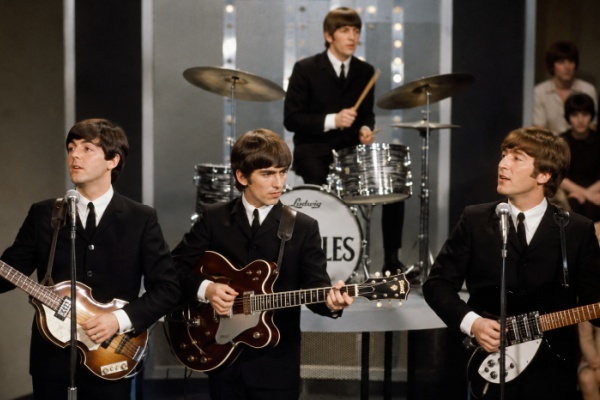
The music industry also saw memorable moments away from the stage. Linda Ronstadt publicly shot down rumors in 1977 that she had been offered a massive payday to pose nude for Hustler magazine. Meanwhile, Beatles fans received a nostalgic gift when “The Beatles at the Hollywood Bowl” captured the excitement of the group’s historic mid-1960s American tours.
Disco and pop continued their rise in 1978 as Yvonne Elliman climbed to number one in the United States with “If I Can’t Have You,” proving she could command center stage after years of high-profile background vocal work.
May 13 also became associated with major losses in music history. Donald “Duck” Dunn, the influential bassist for Booker T. and the MGs and a key figure behind countless soul classics, died in 2012 while touring Japan. Doris Day, whose entertainment career stretched from chart hits to Hollywood fame, passed away in 2019 at age 97. A year later, Astrid Kirchherr, the photographer whose imagery helped define The Beatles’ early image, also died.
The date carried moments of resilience as well. Stevie Wonder earned recognition from the United Nations in 1985 for his activism against apartheid, while Aretha Franklin faced health challenges in 2013 that forced her to cancel performances for medical treatment.
From riots and revolutions to chart-topping hits and cultural milestones, May 13 stands as another reminder that music history is rarely just about the songs. It is also about the personalities, controversies, risks, and moments that continue shaping pop culture long after the records stop spinning.
