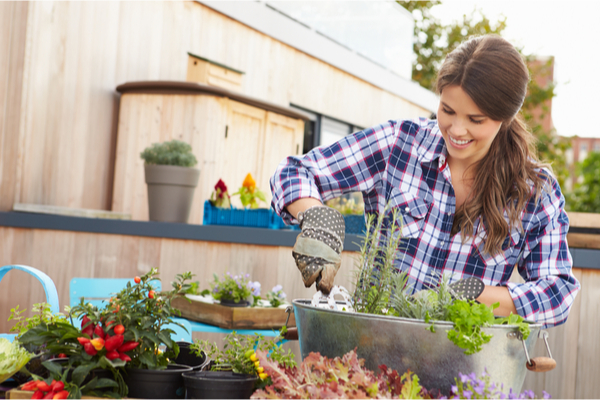
Are you searching for inspiration for what to plant in September? As we enjoy the last warm days of late summer and the peak growing season begins to gradually slow, it is the perfect time to be out in the garden planting for the seasons ahead.
As the temperatures start to cool towards the end of September, and days shorten it is the prime time to plant many additions to the ornamental and productive areas of your garden. As Homes & Gardens reports, whether you’re looking to include more structural trees and shrubs as part of your garden ideas, or to enhance the spring and summer displays in your flower bed ideas, there are more options available than you might think.
Sowing the seeds in fall will often result in more robust plants that have a bit of a head start so will flower earlier in spring next year. “You’ll get bigger, better plants which can flower a good six weeks earlier than those that are spring sown. In fact, some varieties are utterly transformed by fall sowing,” explains plant expert Sarah Raven.
It is also a good time to be planting spring bulbs while the ground is still warm, along with some hardy winter flowers, such as flowering perennials.
Ammi majus or bishop’s flower, “has lacy white flowers, like a more delicate form of cow parsley. It is the best white filler foliage plant you can grow when planning a cut flower garden if you’re considering what to plant in September, and looks spectacular when arranged in a great cloud on its own,” says Sarah.
Scabious, also known as the pincushion flower, is a family of flowers known for their reliability. “Scabious ‘Black Cat’ has gently scented, dark, rich velvet, crimson, mini-pincushions on long, wiry stems,” says Sarah. Flowering over a long season, it is an insect-friendly choice, so among the plants for pollinators.
Euphorbia oblongata with its brilliant acid-green flowers and bold, strong shapes, “is really a short-lived perennial, but it flowers best in its first year, so treat it as a hardy annual,” says Sarah. “Sow under cover this month, then either plant seedlings out in mild gardens or overwinter in a cold frame or unheated greenhouse to plant out in the spring. Cut flowers with care and use gloves to avoid the milky sap which can cause severe skin irritation.”
Calendula, also known as English or Pot Marigolds, bring a cheery splash of color to beds and borders, and their deep orange petals can also be used raw in salads. (They should not, however, be confused with marigolds that are part of the tagetes family, and are quite different.) Loved by bees and butterflies, calendula also makes an excellent flower choice for companion planting if you are planning a kitchen garden, as its strong scent also confuses pests. “If you want a plant that works hard and looks great, you need calendula in your garden,” says Amy Enfield of Bonnies Plants.
Daffodils and Narcissi are the harbingers of spring, and they fill beds and borders with their gently nodding yellow or white heads.. With myriad varieties available, you’ll be spoilt for choice when deciding what to plant in September. It’s easy to learn how to plant daffodil bulbs, which are best planted in fall, in sun or part shade. Also ideal for spring container gardening displays, ensure the daffodils are planted in a pot has adequate drainage by putting some broken crockery or stones in the bottom, and then fill with multi-purpose compost. Water thoroughly and leave the pots in a cool spot until leaves appear, and plant along with other best winter plants for pots and borders.
Winter Pansies can breathe new life into your fall garden and brighten up garden beds and containers through the colder and darker months with their pretty blooms available in a huge array of colorful combinations. It is easy to learn how to grow pansies “and they require only a minimum of care to provide a very long flowering season,” explains Simon Crawford at Burpee Europe. Start planting these small perennials in September to give their roots time to grow enough to survive winter. Plus, by planting pansies in fall, you’ll get to enjoy their flowers through winter and again in spring.
—
Photo Credit: Monkey Business Images / Shutterstock.com