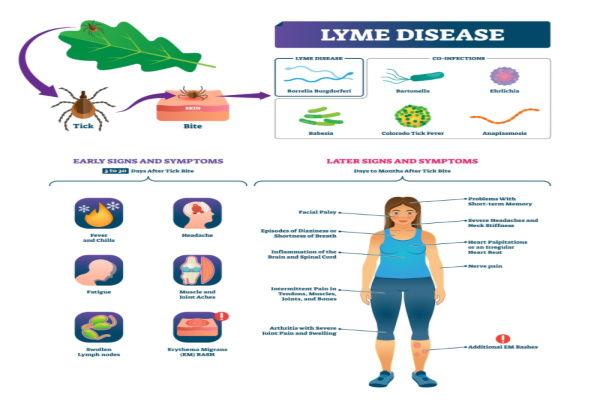
Across the country, Lyme disease cases are climbing, and the CDC reports ER visits for tick bites are at their highest levels in years. Cardiologists are warning about serious heart complications that can occur after a Lyme disease infection.
These heart complications are often a result of untreated Lyme disease and can be difficult to connect to a past tick bite, as the symptoms may appear months later.
What is Lyme Carditis?
Lyme disease can cause serious heart problems, including fluid and inflammation around the heart, when the infection spreads to the heart tissue. This condition, known as Lyme carditis, can disrupt the heart’s electrical signals and, if not treated promptly, can be life-threatening.
If left untreated with antibiotics, the Lyme bacteria can spread from the initial tick bite location to other parts of the body, including the heart. The bacteria can interfere with the heart’s electrical signals, leading to various complications.
Why Lyme Carditis is Often Missed, and Misdiagnosed
Symptoms of Lyme Carditis are chest pain, shortness of breath, chest pain, heart palpitations, dizziness and even fainting, which can often be attributed to regular heart issues, and the connection to Lyme Disease as the culprit is often missed. However, Lyme Carditis may also include symptoms associated with Lyme Disease itself, which is body aches, fever, and a growing bulls-eye rash.
- Delayed symptoms:
Heart problems can manifest months after the tick bite, making it hard for people to connect the two issues.
- Initial misdiagnosis:
Patients may initially be misdiagnosed because their symptoms could be attributed to other conditions, and doctors may not immediately suspect Lyme disease.
- Lack of awareness:
Many people are unaware of the potential for tick bites to lead to serious heart problems, even when symptoms like shortness of breath or chest pain arise.
What to Do if You Suspect you May Have Lyme Carditis
If you have symptoms of Lyme disease and develop any new or unexplained heart-related issues, seek medical attention immediately. Be sure to inform your doctor about any potential tick exposure, even if you can’t recall a specific bite.
Doctors can use an electrocardiogram (EKG) to determine whether an individual has heart block. An EKG measures electrical impulses within the heart, allowing doctors to spot any abnormal activity. Doctors can also use this to gauge the severity of heart block. If an individual does have heart block, doctors will try to determine whether they also have Lyme disease.
This involves checking for factors that increase the probability that someone has Lyme disease, including:
- Lyme disease symptoms
- the presence of a tick bite
- pursuing outdoor activities
- being male
- being less than 50 years old
Prompt diagnosis and intravenous and oral antibiotic treatment are crucial for preventing the infection from spreading and causing long-term damage. In severe cases, a temporary pacemaker may be required.
According to a 2016 review, most people completely recover from Lyme disease. However, some individuals may experience post-treatment symptoms that last for several months or even years. These symptoms include:
- tiredness
- cognitive problems
- musculoskeletal pain
For this reason, recovery will look very different for each person. The key is getting it diagnosed and treated as soon as possible.
—