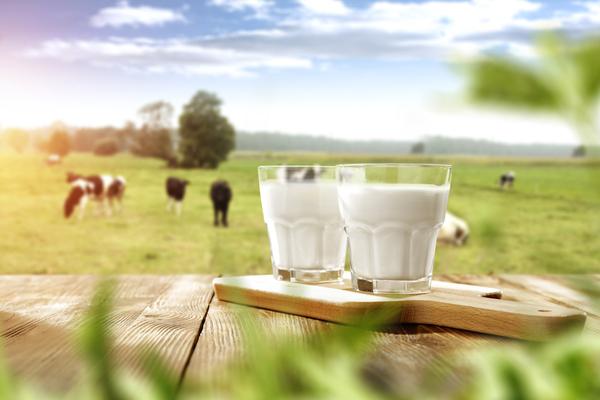
Raw milk is growing in popularity in the United States—a recent survey found that about 4% of respondents said they drank raw milk at least once in the past year, and consumer data showed that raw milk sales were up by over 17% in 2024, The New York Times reported.
As Health reports, this increased interest is in part being driven by myths about raw milk on social media and elsewhere—many people think raw milk has a higher nutritional value and doesn’t cause dairy allergies, among other benefits. However, experts said, this isn’t true. In fact, choosing to drink raw milk could come with dangerous consequences for your health.
What Is Raw Milk?
Raw milk is simply dairy that has not gone through the pasteurization process—the milk goes directly from a cow’s udder to the consumer.
Conversely, pasteurized milk involves heating every particle of milk to a specific temperature that prevents bacteria from thriving. This pasteurization process makes milk and milk products safer for human consumption, plus it increases milk’s shelf life.
“Routine pasteurization of milk began in the United States in the 1920s and became widespread by 1950 as a means to reduce contamination and reduce human illnesses,” Karolin Saweres, RDN, LD, registered dietitian nutritionist and wellness coach, told Health.
Does Raw Milk Have Any Benefits?
One of the biggest reasons consumers are drawn to raw milk is because they think it’s healthier and more nutritious than pasteurized dairy.
The pasteurization process can indeed lower the percentage of certain vitamins found in milk, but it may not be as drastic as it sounds. Pasteurization causes milk to have lower levels of vitamin B12, vitamin E, vitamin C, folate, and vitamin B2 (riboflavin). However, the overall effect on these micronutrients is minimal—and cow’s milk doesn’t have naturally high concentrations of these vitamins, anyway.
Some people also claim that raw milk has other benefits, such as curing lactose intolerance, effectively preventing osteoporosis, or boosting digestion and immune function. However, according to the Food and Drug Administration (FDA), none of these theories are accurate.
Why Pasteurized Milk Is Safer to Drink
While pasteurized milk may contain slightly lower concentrations of certain vitamins, it can be argued that it makes up for it in peace of mind. “Milk at the supermarket versus raw milk has a major difference: safety,” said Kacie Barnes, RDN, a registered dietitian nutritionist.
Raw milk can carry harmful bacteria, she told Health, such as Campylobacter, E. coli, Listeria, and Salmonella, which, when consumed, may cause foodborne illness. People experiencing foodborne illness (more commonly called food poisoning) can have diarrhea, nausea, fever, vomiting, and in rare cases, very severe or life-threatening illness. Luckily, the pasteurization process kills these potentially-dangerous microbes. In addition, pasteurization also inactivates removes viruses in cow’s milk. That includes H5N1 avian (bird) flu, which has been present in herds of U.S. dairy cows since 2024.
Put together, this makes pasteurized milk the much safer option. In fact, raw dairy products are 840 times more likely to cause illness than pasteurized dairy products.
Who’s Most at Risk of Illness From Raw Milk?
Anyone can get sick from consuming viruses or bacteria found in raw milk. However, the risk of serious illness is higher for certain groups, including:
- Children under age 5
- Adults over age 65
- Pregnant people
- People who are immunocompromised
Deciding Between Raw Milk and Pasteurized Milk
No matter what the wellness trend you see online says, registered dietitians advise against the consumption of raw milk. “One of the big reasons raw milk is picking up in popularity is because of social media,” Jamie Nadeau, RDN, owner of The Balanced Dietitian, told Health. “Unfortunately, there is a lot of misinformation being spread about raw milk right now.”
She emphasized that there is truly no way to guarantee a raw milk product is safe, even if you get it from a farm you trust. Milking equipment, sick cows, and other environmental pollutants (think cow feces) can each contaminate raw milk with bacteria or other harmful microorganisms. “Regardless of how healthy the animals are or how well-maintained the farm is, you can still get sick,” Nadeau said.
Certain states may give you the option to purchase raw milk, but it’s ultimately up to the consumer to make an educated, informed decision about the risk they may be taking.
—
Photo Credit: S_Photo / Shutterstock.com
