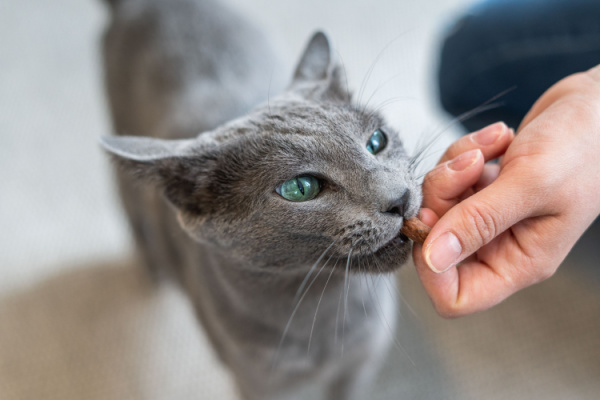
In general, a healthy cat who is eating a balanced diet probably doesn’t need any extra vitamins or supplements, as cat foods that meet quality standards from the Association of American Feed Control Officials (AAFCO) already provide all the necessary vitamins and minerals for a cat at any life stage.
However, as ChewyMD reports, there are some situations where your cat might benefit from the additional nutrition boost, especially when managing certain common health conditions.
Types of Cat Supplements, and When Vets May Suggest Them
Vets most often recommend cat vitamins and supplements to address specific health concerns, including:
Omega‑3 Fatty Acids (Fish Oil)
Omega-3 fatty acids (EPA and DHA) are found primarily in fish oil. They’ve been extensively studied in humans to support healthy joints and promote heart health. They work by modulating inflammation, which contributes to a wide range of health issues, including mobility issues, joint problems, and arthritis.
Although there is less research in cats compared to humans or dogs, veterinarians often recommend omega-3 supplements for cats to support skin and coat health, improve mobility in cats with osteoarthritis, and assist in managing kidney or heart disease.
Omega-3 fatty acids or fish oil are also routinely included in premium cat food, especially products formulated to benefit skin and coat such as Hill’s Science Diet Adult Sensitive Skin and Stomach. But there is a risk of side effects, specifically gastrointestinal upset and weight gain.
When purchasing omega-3 supplements for cats, look for quality guarantees on the label and make sure the product you’re buying doesn’t have any added ingredients and the dosage is correct. Your vet can point you in the right direction.
Never give your cat an omega-3 supplement made for humans! Human products often contain additives that are unsafe for cats, such as xylitol or essential oils, and the dosages are typically way too high.
Probiotics
Probiotics are live microorganisms that live naturally in your cat’s digestive system and support a healthy gut and immune system. Your vet may suggest probiotics to treat diarrhea (including antibiotic‑associated diarrhea) or during stressful transitions.
Look for products that list the exact probiotic strains along with the colony-forming unit (CFU) counts. A variety of probiotic strains address different areas of concern.
If your cat’s diarrhea worsens or new symptoms appear, stop giving them the probiotic and call your vet.
Joint Supplements
Joint issues occur in up to 90% of older cats, so vets sometimes recommend supplements designed to support health joint function. Common examples include glucosamine, chondroitin, green‑lipped mussel (Perna canaliculus), hyaluronic acid, and omega‑3s.
These products are not pain medications. Instead, they attempt to improve joint health by supporting healthy cartilage, which can improve joint function and increase mobility. Joint supplements do not directly relieve pain, but by supporting cartilage health and supporting a healthy anti-inflammatory process in some cases they may indirectly improve comfort and mobility.
Evidence for most of these supplements is mixed. If your vet recommends a joint supplement for your cat, make sure to get a product formulated specifically for felines or ask for a recommendation.
Multivitamins
Multivitamins typically contain a mix of vitamins and minerals that are necessary for vibrant health and growth. For most cats, their AAFCO-compliant food provides all the vitamins and minerals they need, so regular use of a multivitamin isn’t necessary. Your vet can point you to the best cat food for your kitty.
However, vets may recommend a multivitamin supplement for cats who eat an unbalanced diet, who are very picky eaters, or who have a specific deficiency.
Never give a cat a multivitamin formulated for a human or a dog. Some vitamins, like A and D, can be toxic to cats in higher dosages. Always pick a multivitamin formulated specifically for cats and work with your vet to ensure the dosages are safe.
Taurine
Taurine is an essential amino acid for cats, meaning they cannot synthesize enough taurine on their own and require dietary intake. Commercial cat foods typically contain adequate taurine, so extra taurine supplements for cats aren’t usually necessary.
However, cats with conditions including dilated cardiomyopathy (heart failure) and retinal degeneration may require extra taurine. Vets may also recommend extra taurine for cats with a poor-quality diet, including homemade diets.
How To Choose a Safe Cat Supplement
Choosing a supplement for your kitty should begin with your vet. Ideally, they’ll be able to recommend the specific cat supplement you need to address your pet’s issue. In general, high-quality supplements include:
- The NASC Quality Seal on the label
- Product testing data, either in the package or through the manufacturer
- Exact quantities of ingredients listed (avoid proprietary blends that hide dosages)
- Comprehensive storage directions and a valid expiration date
If your cat is already on medications, remember to ask about any potential drug interactions. Before giving your cat vitamins or supplements, always talk to your vet first. Some common human vitamins and supplements can be dangerous for cats.
When To Call the Vet
When you start your kitty on a new vitamin or supplement, it’s always a good idea to start slow and pay careful attention. Start one new product at a time and track any changes you see in your cat’s behavior, eating, or litter habits. Cats can be picky, so it might take a few tries to find the supplement your cat will like.
Seek care right away if you notice signs of an overdose (vomiting, severe diarrhea, lethargy, weakness, tremors, bleeding, stumbling/ataxia). Vitamin A or D toxicosis can be life‑threatening.
Kittens, seniors, pregnant or nursing cats, and cats with chronic conditions (like kidney disease) should never start supplements without veterinary guidance.
—
Photo Credit: DSchmidtArt / Shutterstock.com