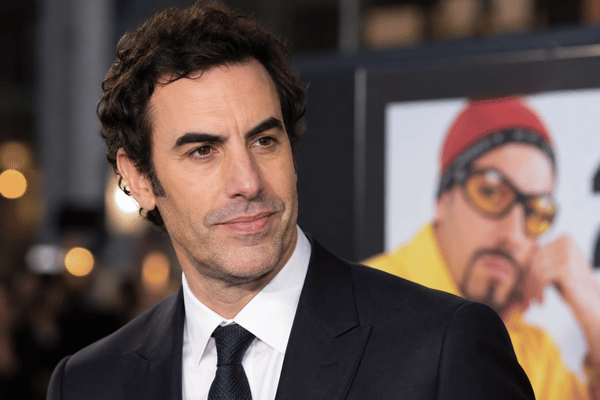
Sacha Baron Cohen is returning to familiar comedic territory, but the entertainment landscape awaiting him looks considerably different from the one that made his outrageous characters famous.
The British actor and comedian is preparing to bring Ali G back to theaters with Ali G: Who Iz I?, a new film that has already generated controversy over its provocative humor, cultural stereotypes and approach to political satire.
In a recent interview with The Hollywood Reporter, Baron Cohen discussed the challenges of reviving one of his best-known characters while navigating an entertainment industry increasingly sensitive to questions about representation and offensive comedy.
Ali G first became a cultural phenomenon in the late 1990s, portraying a clueless British wannabe gangster whose interviews with politicians, celebrities and other public figures frequently exposed uncomfortable contradictions. The character later gained international recognition through television and the 2002 film Ali G Indahouse.
Now, more than two decades later, the comedian is betting that his distinctive brand of uncomfortable humor still has something important to say.
Not everyone is convinced.
The announcement of the new film prompted criticism from activists who argue that Ali G’s exaggerated mannerisms, language and appearance perpetuate harmful racial stereotypes. A campaign opposing the release has urged movie theaters to reconsider screening the production.
Baron Cohen sees the character differently.
He maintains that Ali G was never intended to ridicule Black culture. Instead, the character represents an ignorant white man who imitates cultural influences he barely understands, often exposing the prejudices of the people who engage with him.
That distinction has become central to the comedian’s defense of his work.
Baron Cohen believes satire remains a powerful tool for confronting prejudice, misinformation and extremism, particularly as social media continues to amplify political divisions.
His new film reportedly examines radical attitudes across the political spectrum, returning to the unpredictable encounters and uncomfortable situations that helped establish his reputation.
But creating that kind of comedy has become increasingly complicated.
Baron Cohen has acknowledged the personal risks associated with his undercover productions, including hostile reactions and threats. His elaborate disguises and unexpected confrontations have long been trademarks of his work, but the dangers surrounding those encounters have made the format more difficult to sustain.
The comedian also revealed that he originally envisioned a particularly ambitious sequence involving his own public cancellation.
The concept would have connected a fictional controversy surrounding Ali G with real-world footage of Baron Cohen experiencing a backlash. Although parts of the idea were developed, budget limitations prevented the filmmakers from incorporating the complete sequence.
The challenges have also raised questions about whether the actor intends to continue making undercover comedies.
Baron Cohen has indicated that another Borat installment is not in his plans, suggesting that his latest Ali G adventure could represent a turning point in his career.
That possibility gives the new release added significance.
For longtime fans, the movie offers another opportunity to experience the unpredictable humor that helped define Baron Cohen’s career. For critics, it represents a test of whether comedy built around deliberately offensive characters can successfully challenge stereotypes without reinforcing them.
The debate is unlikely to disappear when the film reaches theaters.
What remains uncertain is whether audiences will embrace Ali G’s return as a timely examination of modern society or view the character as a relic of a different comedic era.
Either way, Baron Cohen is once again placing himself at the center of a cultural argument, a position that has defined much of his career.
