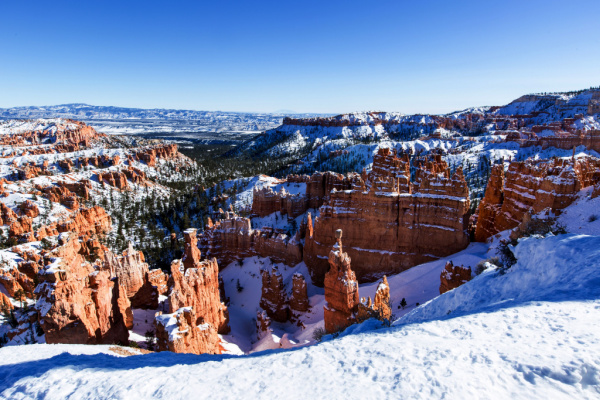
Getting trapped in quicksand is a corny peril of old movies and TV shows, but it really did happen to one unfortunate hiker in Utah’s Arches National Park.
As CNN reports, the park famous for dozens of natural, sandstone arches gets over 1 million visitors a year, and accidents ranging from falls to heatstroke are common. Quicksand, well, not so much, but it actually has happened at least a couple of times now. “The wet sand just kind of flows back in. It’s kind of a never-ending battle,” said John Marshall, who has helped coordinate quicksand rescues on two occasions in the area.
Quicksand is Real? And Found in Utah?
Yes, quicksand is real and found in Utah, particularly in canyon areas like Arches National Park, Grand Staircase-Escalante (where hikers have reported getting trapped chest-deep in mud), Zion National Park (where a hiker was rescued from quicksand on the “subway route” in 2019), and Coyote Gulch (a popular backpacking route known for quicksand).
In Utah’s desert canyons, it can appear deceptively like regular wet sand or mud.
How Quicksand Happens
Quicksand forms where water saturates sand or silt, reducing friction and allowing it to flow, often in riverbeds, beaches, or near springs.
Quicksand is found often near water in sandy or muddy stream beds, and is more common than you think in Utah’s back country. It’s a natural hazard where wet sand behaves like a liquid, trapping hikers who sink deeper the more they struggle, but rescue is possible by staying calm and wiggling out.
While quicksand is dangerous, it’s a myth that total submersion is the main risk, says Marshall. “In quicksand you’re extremely buoyant,” he states. “Most people won’t sink past their waist in quicksand.”
December’s Quicksand Rescue
As CNN reports, earlier this month, an experienced hiker, whose identity wasn’t released, was traversing a small canyon on the second day of a 20-mile backpacking trip when he sank up to his thigh, according to Marshall. Unable to free himself, the hiker activated an emergency satellite beacon. His message got forwarded to Grand County emergency responders and Marshall got the call at 7:15 a.m. “I was just rolling out of bed,” Marshall said. “I’m scratching my head, going, ‘Did I hear that right? Did they say quicksand?’”
He put his boots on and rendezvoused with a team that set out with all-terrain vehicles, a ladder, traction boards, backboards and a drone. Soon, Marshall had a bird’s-eye view of the situation. Through the drone camera he saw a park ranger who’d tossed the man a shovel. But the quicksand flowed back as soon as the backpacker shoveled it away, Marshall said.
The Grand County Search and Rescue team positioned the ladder and boards near the backpacker and slowly worked his leg loose. By then he’d been standing in near-freezing muck, in temperatures in the 20s, for a couple of hours. Rescuers warmed him up until he could stand, then walk. He then hiked out on his own, even carrying his backpack, Marshall said.
Not His First Rodeo
Marshall has experience with quicksand. In 2014, he was a medic who helped a 78-year-old woman after she was stuck for over 13 hours in the same canyon just 2 miles from where Sunday’s rescue took place. The woman’s book club got worried when she missed their meeting. They went looking for her and found her car at a trailhead.
It was June — warmer than this month’s rescue but not sweltering in the canyon’s shade — and the woman made a full recovery after regaining use of her legs. “Both had very happy endings,” Marshall said.
What to Do If You Become Trapped in Quicksand
Don’t Panic: Struggling makes you sink deeper.
Lean Back: Spread your weight by leaning back to float.
Wiggle: Gently wiggle your legs to create space to free them.
Call for Help: Use emergency beacons if possible, as seen in recent rescues.
Always be cautious in sandy washes and stream beds, even if they seem shallow.
—
Photo Credit: Edi Chen / Shutterstock.com