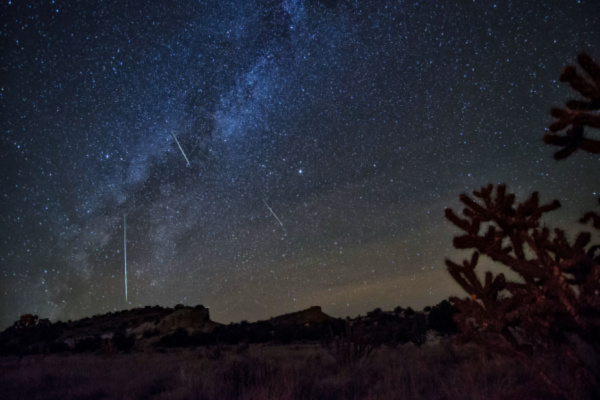
One of autumn’s best meteor showers will peak Wednesday night into Thursday morning, Oct. 21-22, an event linked to one of the most famous objects in our solar system.
As AccuWeather reports, under ideal, dark conditions, the Orionids can produce up to 20 meteors per hour. This year, however, a nearly full moon will brighten the sky for much of the night, making some of the fainter meteors harder to see.
Best Viewing Opportunity
The best viewing opportunity should come during the final hours before daybreak, after the moon sets and the sky becomes darker. But even under perfect conditions, skywatchers will need to be patient. A rate of 20 meteors per hour works out to an average of roughly one shooting star every few minutes, but meteors do not appear on a schedule. Several could flash across the sky within a short period followed by a longer lull.
How do the Orionids get their Name?
The Orionids get their name from the constellation Orion because the meteors appear to originate from the same area of the sky. Stargazers do not need to focus their attention on the constellation, though. Meteors can streak across a wide portion of the sky, so having as broad a view as possible will increase the chances of spotting one.
The Shooting Stars Have a Connection to Halley’s Comet
Although Halley’s Comet will not return to the inner solar system until 2061, previous trips around the sun left behind trails of dust and small pieces of debris. Every October, Earth passes through part of that debris trail. When those tiny particles slam into Earth’s atmosphere at high speed, they heat up and create the brief streaks of light seen during the Orionid meteor shower.
Halley’s Comet is also responsible for another annual meteor shower, the Eta Aquariids, which occurs in May.
Orionid Meteor Shower Viewing Tips
•Find a dark viewing spot: Get away from bright streetlights and other sources of light when possible.
•Give your eyes time to adjust: Spend at least 15 minutes in the dark without looking at bright lights, such as a phone screen, the moon or a streetlight.
•Look at as much of the sky as possible: A wide, unobstructed view gives you a better chance of catching meteors in different parts of the sky.
—
Photo Credit: Brian Spencer / Shutterstock.com
