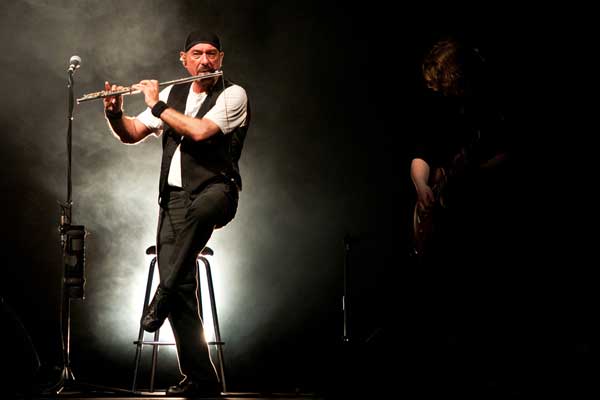
In the 1970s, Jethro Tull, led by the enigmatic Ian Anderson, defied expectations to become one of America’s most unexpected rock sensations. Their unique fusion of folk, jazz, and progressive rock resonated deeply with U.S. audiences, propelling them to headline major venues, including a memorable performance at New York’s Shea Stadium in July 1976.
The band’s relentless touring schedule played a pivotal role in their American success. By the close of 1971, merely three years into their recording journey, Jethro Tull had already completed 11 U.S. tours, showcasing their commitment to building a robust fan base across the Atlantic.
Their 1971 album, Aqualung, marked a significant milestone, reaching number seven on the U.S. Billboard charts and achieving triple platinum status with over three million copies sold. This success was further amplified by their theatrical live performances, which captivated large audiences and solidified their standing in the American rock scene.
Jethro Tull’s ascent in the U.S. market underscores the power of innovative music and strategic touring. Their story remains a testament to how distinctive artistry can captivate audiences, even in the most competitive landscapes.
—
Photo Credit: Palis Michalis / Shutterstock.com