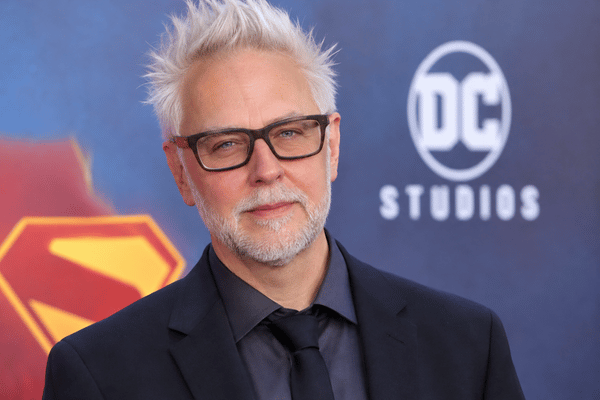
DC Studios is entering another period of uncertainty following the unexpected departure of James Gunn and Peter Safran from their executive leadership roles, raising questions about the future of Superman, Batman, Wonder Woman and the studio’s expanding superhero universe.
The leadership change brings an end to the pair’s four-year effort to rebuild DC’s film and television franchises under a coordinated creative strategy. Their replacement, former Marvel Studios executive Jeremy Latcham, now faces the challenge of maintaining momentum while determining which projects fit his vision for the company.
Latcham arrives with extensive superhero experience, having worked on major Marvel productions including Iron Man, The Avengers, Guardians of the Galaxy and Spider-Man: Homecoming. His appointment gives DC an executive familiar with the demands of managing interconnected blockbuster franchises.
However, taking control of DC Studios presents a different set of challenges, particularly with several major characters already attached to developing storylines and upcoming productions.
Superman remains one of the studio’s most important properties. The 2025 film starring David Corenswet generated approximately $618 million worldwide, providing an encouraging commercial foundation for the revamped franchise.
Its follow-up, Man of Tomorrow, has already completed filming and is scheduled for release in July 2027. Gunn remains creatively involved with the sequel despite leaving his executive position, giving the project an important degree of continuity during the transition.
Whether Corenswet’s Superman will remain central to DC’s long-term plans beyond that film is less certain. Latcham has not publicly outlined a comprehensive strategy for the character’s future.
Batman presents another significant decision.
Before the leadership change, Gunn had been developing plans to introduce a new version of the Dark Knight within DC’s interconnected universe. That interpretation would exist separately from Robert Pattinson’s Batman, whose films are directed by Matt Reeves.
The proposed project, The Brave and the Bold, was intended to establish a different cinematic direction for the character. With new leadership arriving before the casting and creative details have been finalized, its future remains open to possible adjustments.
Meanwhile, Pattinson’s separate Batman franchise continues to occupy its own corner of DC’s theatrical lineup, with The Batman: Part II planned for 2028.
Wonder Woman represents another unresolved piece of the studio’s superhero strategy.
A new film centered on the Amazonian hero has been in development, with screenwriter Ana Nogueira previously attached to the project. However, questions remain about its casting, production timeline and place within the broader DC universe.
The character’s future has already experienced considerable uncertainty following the cancellation of plans for a third Wonder Woman film starring Gal Gadot. The latest executive transition adds another potential complication to efforts to bring the character back to theaters.
Beyond DC’s three most recognizable heroes, several additional properties could be affected by the leadership change.
Projects involving Swamp Thing and other characters have been discussed or developed under the previous administration. There has also been interest in bringing Margot Robbie’s Harley Quinn back into the franchise, although no definitive return has been announced.
The incoming leadership will inherit a mixed commercial record.
While Superman performed strongly, Supergirl struggled at the box office, collecting approximately $126 million worldwide against a reported production budget of $170 million. Clayface delivered a more modest theatrical result, earning approximately $109 million on a $44 million budget.
Television productions, including Peacemaker and Lanterns, have also contributed to the studio’s efforts to establish a recognizable collection of interconnected characters and stories.
For Gunn and Safran, stepping away from executive responsibilities does not mean an immediate departure from DC’s creative world. Both are expected to complete existing commitments, including their involvement with Man of Tomorrow.
The transition also comes as DC operates under the corporate structure established following Paramount’s acquisition of Warner Bros. Discovery, placing the superhero division within a broader entertainment organization undergoing substantial change.
For Latcham, the immediate challenge will be balancing the creative foundation already established with the expectations of new corporate leadership and audiences eager for consistency.
A complete restart remains possible in theory, but there has been no announcement that DC intends to abandon its current cinematic universe or replace its established performers.
For now, the biggest question is not whether Superman, Batman and Wonder Woman will remain important to DC. Their significance to the brand is unquestionable.
What remains to be seen is whether the studio’s next chapter will build upon Gunn and Safran’s work or move its most recognizable heroes in a substantially different direction.
