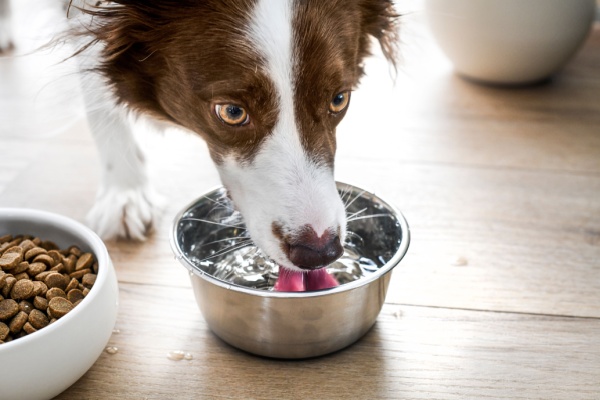
There are several reasons a dog might drink more water than usual, from hot weather and diet to medications and underlying health issues.
As Chewy petMD reports, the best course of action for a dog’s excessive thirst depends on the reason for their increased water intake and their overall behavior. In some cases, no action is needed, while others may require a vet visit.
Most Common Reasons
Underlying Health Issues
According to petMD experts, excessive thirst, also known as polydipsia, can be an early sign of medical conditions, such as:
- Diabetes: Diabetes mellitus causes high blood sugar levels, or hyperglycemia, in dogs, which can lead to increased thirst and frequent urination.
- Kidney disease: Kidney disease impacts the kidneys’ ability to successfully concentrate urine, prompting dogs to drink more water to combat water loss.
- Cushing’s disease: Also called hyperadrenocorticism, Cushing’s disease can result in a dog drinking lots of water due to the excess cortisol levels, which affect both kidney function and fluid regulation.
- Infections: Infections, such as urinary tract infections or pyometra, can cause fever and dehydration in dogs, resulting in increased drinking.
Environmental Factors
Has your furry friend tuckered themselves out from an intense play session? Spent time in hot weather? Or are they currently nursing pups? If so, rest assured—all of these environmental factors naturally increase a dog’s hydration needs.
Diet
A dog’s diet can be another reason they lap up lots of water. “Dietary influences, including high-sodium treats or dry kibble diets, may drive dogs to seek more water to balance their intake,” says Sabrina Kong, DVM, a veterinarian based in California.
Behavioral Issues
While rare, behavioral issues, like anxiety or psychogenic polydipsia (a compulsive drinking disorder), can cause dogs to drink an abnormal amount of water, Dr. Kong says.
Medications
Like us, dogs can experience side effects from medications. Certain medications, like steroids or diuretics, can trigger thirst, Dr. Kong says. If you have concerns about a medication’s side effects, it’s always a good idea to talk with your vet.
How Much Water Do Dogs Really Need?
In general, a healthy, adult dog should drink roughly 1 ounce of water per pound of body weight daily. “For example, a 20-pound dog drinking up to 20 ounces a day is typically within normal limits, Dr. Kong says. “However, consistency is key. Sudden spikes in thirst without an obvious cause warrant attention.”
Our experts share these tips on how to measure how much water your dog drinks daily:
- Measure the water you pour into their bowl each morning (e.g., 4 cups) and track how much remains 24 hours later. Then, subtract the leftovers to calculate the daily intake.
- It’s also recommended to factor in activity, weather, and diet. (Note: Wet dog food adds moisture.) You can use a marked water bowl, like the Necoichi elevated water bowl, to track the amount.
- Track your dog’s drinking habits for three to five days for accuracy.
- Monitor for frequent empty bowls or excessive urination.
- Schedule a vet check to rule out medical issues if your dog’s intake consistently exceeds normal ranges, or your dog shows lethargy and/or vomiting.
This Behavior Could Be Normal
Notice your dog is drinking a lot of water? This is normal if they’re acting like they usually do, as well as in certain instances, such as:
- Long or vigorous physical activity: If your pooch had an intense play session or spent more time exercising, it’s normal to see them lap up more water once they’re done being physically active. This is to help replenish lost fluids, says Bethany Hsia, DVM, veterinarian and co-founder of CodaPet, in Clovis, California.
- Warmer weather: During spring and summer, dehydration risk increases, Dr. Hsia says. Like people, pups will drink more water to cool down and stay hydrated to beat the heat.
- Transitioning from wet to dry food: If your dog is switching to a dry food diet, you might notice them gulping down more water. This can occur because kibble lacks moisture, Dr. Kong notes.
- Nursing: Is your dog a new mom? If you notice they’re drinking a lot more water, this is because nursing mothers require extra fluids to support milk production, Dr. Kong says.
When To See a Vet
Sometimes, a dog drinking a lot of water can be concerning if the behavior is persistent and accompanied by other symptoms.
If your dog is drinking significantly more than usual over several days or weeks, this may indicate an underlying health issue that requires veterinary attention, Dr. Hsia says.
Along with excessive thirst, additional signs to watch for include:
- Frequent urination, especially accidents indoors
- Unusually dilute urine
- Lethargy
- Loss of appetite
- Vomiting
- Diarrhea
- Weight loss (despite having a normal or increased appetite)
- Panting
- A pot-bellied appearance
- Changes in behavior, such as restlessness or discomfort
“Dehydration signs, like tacky gums or delayed skin elasticity, despite heavy drinking are red flags,” Dr. Kong says.
If you find that your dog surpasses the general ounce-per-pound water rule without explanation, she recommends promptly consulting a vet.
How Vets Treat Excessive Thirst in Dogs
Dr. Kong and Ignacio Casali, DVM, emergency veterinarian at VEG ER for Pets in Fort Lauderdale, Florida, break down the step-by-step process of how vets treat excessive thirst:
- Physical examination and history: This involves assessing symptoms and recent changes in diet, behavior, or medications.
- Diagnostic tests: Blood work, urinalysis, and imaging (if needed) will be used to identify potential underlying causes.
- Treating the underlying condition: Depending on the results, the underlying condition will be addressed accordingly. This could be insulin therapy for diabetes, antibiotics for infections, dietary adjustments for kidney issues, or medications to manage Cushing’s disease. Fluid therapy may be recommended to maintain normal, healthy hydration.
- Medication or dietary adjustments: Your vet will adjust prescriptions, recommend hydration-focused diets, or restrict salt intake if necessary.
- Ongoing monitoring: Regular follow-ups are scheduled to ensure condition management and proper hydration levels.
—
Photo Credit: Krasula / Shutterstock.com