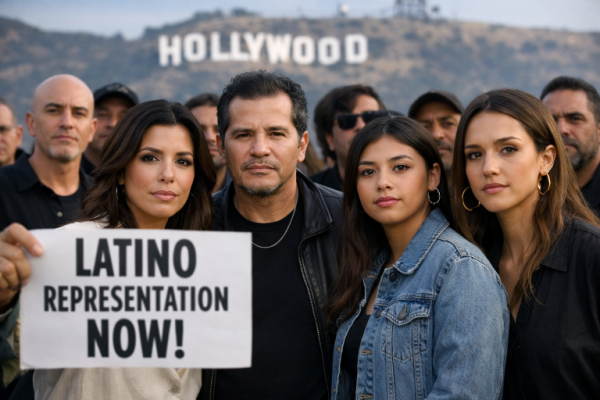
More than a hundred Latino actors, filmmakers and creatives have made a public stand aimed at the heart of Hollywood’s representation problem after a recent casting controversy sparked fresh calls for inclusion. In an open letter addressed to studios, casting directors, writers, producers and industry leaders, the group demanded more accountability, equity and opportunity for Latino storytellers in film and television.
The letter comes in the wake of backlash over casting decisions for A24’s upcoming film Deep Cuts. In the original novel, the character Zoe Gutierrez is described as half‑Mexican and half‑Jewish. When Odessa A’zion, who is Jewish but not Latina, was cast in the role, many creatives criticized the decision as symptomatic of a larger pattern of erasure. A’zion ultimately chose to step away from the part, acknowledging the concerns raised by audiences and reinforcing the discussion about authentic representation.
While the letter acknowledged A’zion’s decision to leave the project as “allyship,” it stressed that Hollywood’s real problem is systemic. Latino performers and creators often find themselves sidelined, under‑auditioned and under‑considered for roles that reflect their cultures and experiences, even as Latino audiences continue to drive viewership and revenue.
Signatories include high‑profile names such as Eva Longoria, John Leguizamo, Xochitl Gomez and Jessica Alba — but also extend to writers, directors and emerging talent. Their demands go beyond casting alone, calling for Latino voices to be involved early in the development process and for inclusive hiring practices across all levels of production. They also urged the industry to support mentorships, scholarships and career pathways that might address deep structural inequities in Hollywood.
The open letter underlines a larger cultural moment: as filmmakers, actors and audiences alike push for more authentic storytelling, Hollywood finds itself under growing pressure to not just talk about representation but to make it a reality.