Both Kraft Heinz and General Mills have announced plans to eliminate synthetic food dyes from their U.S. product lines by the end of 2027. Though each company noted that most of their offerings are already made without artificial colorants, the companies are now committing to full removal, citing regulatory changes and evolving consumer expectations.
As Food & Wine reports, General Mills announced in a news release that it will eliminate synthetic dyes from all cereals and K–12 school foods by the summer of 2026 and from its entire U.S. retail portfolio by the end of 2027. The company stated that 85% of its products are already dye-free.
“Knowing the trust families place in us, we are leading the way on removing certified colors in cereals and K-12 foods by next summer,” Jeff Harmening, chairman and CEO of General Mills, said. “We’re committed to continuing to make food that tastes great and is accessible to all.”
Kraft Heinz, meanwhile, announced in its revised food dye policy statement that it will no longer introduce any new U.S. products containing Food, Drug and Cosmetic (FD&C) dyes and will eliminate all remaining artificial colors by the end of 2027.
“The vast majority of our products use natural or no colors,” Pedro Navio, the company’s North American president, noted. “We’ve been on a journey to reduce our use of FD&C colors across the remainder of our portfolio.” The company announced the move on June 17, within hours of General Mills, marking a coordinated industry response to federal policy changes and mounting consumer pressure.
Timing is Everything
The timing of these announcements isn’t coincidental. In April, the U.S. Department of Health and Human Services and the Food and Drug Administration (FDA) both launched a comprehensive initiative under the banner “Make America Healthy Again,” a national effort aimed at phasing out petroleum-based synthetic dyes from the U.S. food supply by the end of 2026. The FDA has already moved to ban Red Dye No. 3 and is fast-tracking approvals for natural alternatives, such as butterfly pea flower and Galdieria extract.
In a post on the social media platform X, Health and Human Services Secretary Robert F. Kennedy Jr. shared that he had met with executives from Kraft Heinz, General Mills, and other major food companies weeks before their announcements. “Great discussion today with @ConsumerBrands CEOs of @KraftHeinzCo, @GeneralMills, @TysonFoods, @KelloggsUS, @smuckers, and @PepsiCo on advancing food safety and radical transparency to protect the health of all Americans, especially our children. We will strengthen consumer trust by getting toxins out of our food. Let’s Make America Healthy Again,” Kennedy wrote.
Both companies’ moves are better understood as part of a broader shift, driven by government pressure and changing consumer expectations, rather than as isolated corporate decisions.
How this will Affect You, the Consumer
Removing artificial dyes might seem cosmetic, but it reflects a deeper shift in how consumers view packaged foods and how companies respond to public scrutiny. Synthetic dyes have long been a focal point of debate, particularly among parents concerned about their potential links to allergies, hyperactivity, and other behavioral issues in children.
U.S. manufacturers have also faced criticism for maintaining different formulations in different countries, removing synthetic dyes in Europe while continuing to use them in American products. The new policy and company pledges suggest that the double standard may be coming to an end.
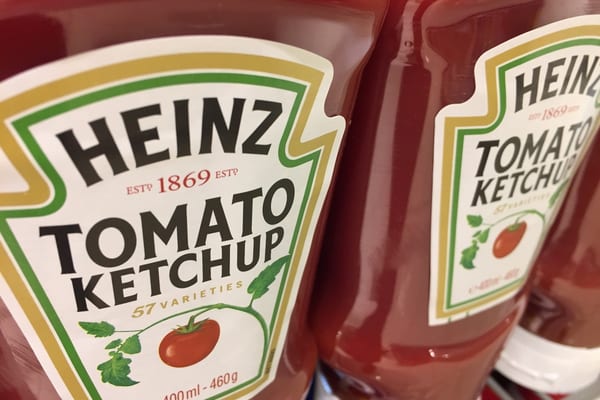
For both companies, the changes build on ongoing reformulation efforts. General Mills has reduced sodium, added vitamin D, and increased whole grains in recent years. Kraft Heinz noted it has made more than 1,000 product recipe changes across its portfolio, including the 2016 reformulation of Kraft Mac & Cheese to remove artificial dyes and its long-held claim that Heinz ketchup gets its red hue from tomatoes, not additives. “Our iconic Heinz Tomato Ketchup has never had artificial dyes,” Navio said. “The red color comes simply from the world’s best tomatoes.”
So, What Happens Now?
With the FDA continuing to approve more natural color options and major brands publicly shifting their timelines, other food manufacturers may soon follow. With brands like these setting the tone, dye removal could become the new baseline for processed food reformulation, much like trans fats a generation ago. As the rules around artificial additives tighten, the message to the industry is clear: If it’s bright, synthetic, and unnecessary, it might not be around much longer.
—
Photo Credit: Cineberg / Shutterstock.com