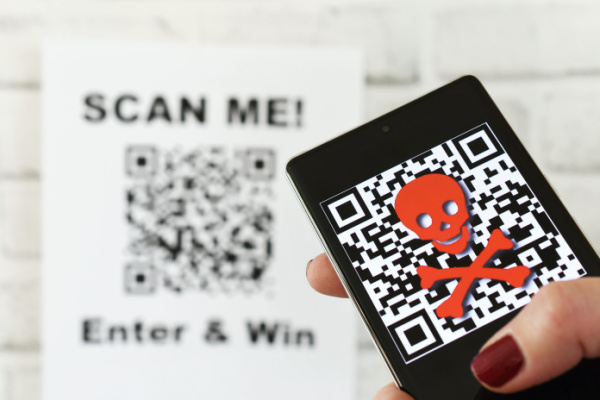
Scam artists are ruthless. They’ll target workers who’ve been laid off, prey on elderly people with fixed incomes, search for vulnerable people on dating apps, pose as IRS agents to steal taxpayers’ money, and even use generative AI to create alarming deepfake videos or audio clips to trick your family members into sending ransom payments. But as PCMag reports, if you stay vigilant and follow the advice of experts, you should be able to avoid falling into their traps.
Remember: Anyone can be a victim of a scam. Even if your bank account balance and credit scores are low, you can still get scammed. Scammers typically send numerous messages throughout the day, every day, to ensnare as many victims as possible. Here’s a look at four of the biggest scams that are on PCMag’s radar this year.
1. Fake Legal Help Preying on Immigrant Communities
As ICE raids descend upon immigrant communities all over the United States, many people are searching online for legal assistance to get their loved ones out of detention or to speed up their immigration or asylum applications. Seeing as scammers love nothing more than a desperate and vulnerable person looking for help, that’s probably why I’ve noticed an increase in social media posts about ads for fake immigration legal services.
Here’s how the scam works: As reported by the FTC, scammers reach out to immigrants with offers to help with immigration-related paperwork and then request money using a transfer service such as Western Union or Zelle. The scammers then seal the deal by posing as immigration officers in video calls on WhatsApp or Zoom.
2. Ring, Ring…It’s a Scam
First, we’ll examine the fraud attempts you probably encounter most often: scammy phone calls and text messages. Despite a lot of noise from US lawmakers in recent years about finding ways to curb robocalls and texts, it’s still incredibly easy for scammers to flood you with calls and messages in an attempt to trick you out of your money, your personal information, or anything else you own. Even worse, AI is making it very easy for scammers to impersonate anyone using AI-generated audio or video, from celebrities to your own family members.
The spam and phishing attempts make it hard to answer the phone with confidence, even when you’re expecting a call. To combat these kinds of scams, you can check the Caller ID label before answering, or use your voicemail to screen your calls. Additionally, ensure you’re utilizing all of your phone’s security features to their fullest potential. Most phones and messaging services have spam filters that you’ll need to turn on in your phone’s settings menu.
3. The Long Con Disguised as Romance
The next scam is a doozy. A couple of years ago, Interpol asked everyone to stop calling it “pig butchering” and instead refer to the scam as romance baiting, because these scams often begin as catfishing or dating app scams. Here’s how it works: A scammer sends lots of messages to a target on a dating app or other online platform to establish trust, and the pair enters an intense relationship very quickly. Despite the short history of these relationships, the scammer gains enough trust from the victim to convince them to hand over a significant amount of personal data, financial login information, and substantial amounts of money.
4. The Rise of Deepfake Deception
AI may help you get your work done faster, and that applies to a scammer’s job, too. Free or low-cost generative AI tools are enabling scammers to effortlessly impersonate anyone, anywhere, and this is becoming a major problem. For example, AI-generated audio and video calls are getting a lot harder to detect. With a few taps on an app, people can clone your voice or the voices of people you love, or use the photos you post on social media to generate fake photos or videos.
AI is also becoming increasingly common in corporate communication settings, making fraud detection more challenging. There’s been a dramatic uptick in everyone, from PR professionals to scammers, using AI to craft emails. Since many people send emails with a similar structure, tone, and “voice,” it becomes harder to detect fraud.
You must read every email carefully and be cautious about everything you read, see or hear online. Yes, it takes more time to second-guess every link or contact request that comes to your inbox, but the caution is worth it.
—
Photo Credit: MargJohnsonVA / Shutterstock.com