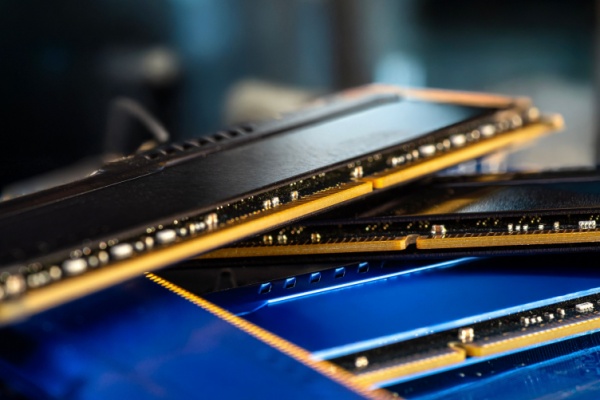
If you’re a hardware aficionado, or keeping a close eye on console prices, you’ve likely noticed how the global RAM shortage is driving up hardware prices.
As PCMag reports, global PC shipments grew 3.2% year over year in Q1 2026 to reach 63.3 million units, and pre-emptive buying ahead of memory-led price increases was one of the key factors driving the surge, according to analyst house Counterpoint Research.
The analyst house also pointed to necessary hardware refreshes caused by the end of Windows 10 support, which happened in October 2025 as another factor driving sales. But it’s unlikely these trends will continue, according to Counterpoint’s analysts.
David Naranjo, Associate Director at Counterpoint Research, said that “these factors are frontloading demand rather than signaling sustained growth.” Naranjo thinks that, in 2026, supply-side pressures from DRAM and NAND pricing will continue to negatively impact sales, and that “the refresh cycle alone will not be enough to offset the expected decline.”
“Looking ahead to 2027, easing memory constraints combined with the continued ramp of AI PCs should help stabilize the market and support a return to modest growth,” said Naranjo.
Lenovo and Asus were the obvious winners in Q1 in terms of PC sales. Asus recorded the best YoY growth, surging 20% to reach 4.8 million units, driven by solid consumer notebook demand. Lenovo retained its spot as market leader, with a 26% market share and the highest first-quarter performance on record. Its shipments rose 9% YoY in Q1 2026 to 16.5 million units. Meanwhile, Apple’s shipments jumped 11% year over year, reaching 6.7 million units during the quarter amid shipments of its newest MacBooks.
HP didn’t perform nearly as well and saw a 5% YoY decrease, though it was still the third most popular vendor overall.
It may be a long time until the headwinds which are currently facing the RAM supply chain stop impacting the PC market. The chairman of SK Hynix, one of the world’s biggest RAM suppliers, recently predicted that the ongoing memory shortage could actually last beyond 2028 and even persist into 2030.
—
Photo Credit: Kinek00 / Shutterstock.com
