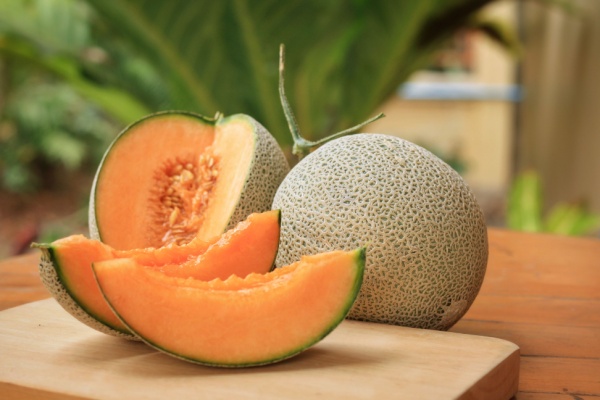
As you cut into a cantaloupe’s understated exterior, a vibrantly colored, orange center appears. From vitamin A to vitamin C, studies have shown that cantaloupe packs a punch with essential nutrients that can help support your immune and digestive systems.
But as USA Today reports, cantaloupe is particularly helpful to eat during the hot summer months because of its versatile, hydrating qualities. USA Today previously spoke with two registered dietitians to pull back the curtain on the melon’s many health benefits.
Read on to learn how incorporating cantaloupe into your day-to-day can help you achieve a well-rounded, balanced diet.
The Myriad Health Benefits of Cantaloupe
Cantaloupe is an excellent addition to your diet if you’re “looking to eat more hydrating foods, eat more anti-inflammatory foods (and) eat foods that are nutrient dense,” Hope Brandt, a registered dietitian, said in an interview with USA Today.
Cantaloupe is a part of the melon family, and it’s closely related to honeydew and watermelon. In the context of a balanced diet, the fruit is a good source of antioxidants, potassium and fiber – nutrients that boost immunity, aid the digestion process and offer protection from chronic diseases, according to a 2023 study.
“The most prevalent benefits that we see is from that beautiful orange color, which is caused by beta-carotene,” Monica D’Agostino, also a registered dietitian, previously told USA Today. When beta-carotene enters the body, it converts into vitamin A, which is essential for “promoting eye health, assisting the body in blood cell production and immune response (and) acting as an antioxidant to help fight free radicals,” she explains.
Free radicals wreak havoc on the body by damaging healthy cells, D’Agostino says. Beta-carotene acts as a neutralizer of free radicals, which can help to prevent the progression of diseases, including heart disease and cancer, she adds.
“Eating a diet that is high in antioxidants is something that can help reduce chronic inflammation in our bodies over time,” Brandt says. Cantaloupe’s high vitamin C content is also particularly helpful with iron absorption, Brandt adds.
Ways You Can Get More Cantaloupe In Your Diet
Cantaloupe is a refreshing addition to summer salads and snack plates, and pairing it alongside foods rich in antioxidants, fiber and hydration can help you attain nutrient diversity.
When consumed alongside other high-fiber fruits, vegetables, whole grains, nuts, seeds and legumes, cantaloupe can “be incorporated as a way to increase that overall fiber and water in the body, which will assist (with) potential digestive issues,” D’Agostino says. Eating cantaloupe alongside foods such as berries, nuts, Greek yogurt and cottage cheese are among a few examples, she says.
If you’re looking for more culinary inspiration, here are several cantaloupe-inspired recipes to try, courtesy The Food Network.
The Bottom Line
Ultimately, variety is key, and to achieve a well-balanced diet, it’s important to eat a range of nutrient-dense fruits, D’Agostino emphasizes. Beyond cantaloupe, there’s a number of fruits that tout similar health benefits – grapefruit, pomegranate and papaya are also considered to be high-potassium, high-fiber and antioxidant-rich foods, according to studies.
—
Photo Credit: Kotcha K / Shutterstock.com