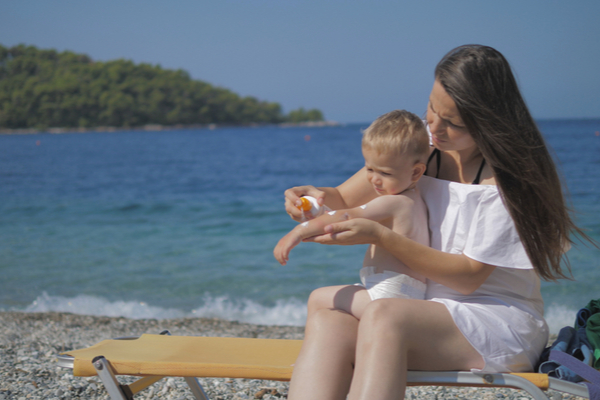
August is “Summer Sun Safety Month,” which was established to bring awareness of best practices to protect your skin from too much sun exposure while enjoying the great outdoors. Summer safety is more than just putting on sunscreen; many other factors to consider when keeping yourself, your aging parents, and your children safe from damage and potential skin cancer.
August is when people spend a lot of time outdoors. And whether spending the afternoon at the local pool or playing on the beach, too much sun exposure can be harmful to your health and can result in conditions such as skin cancer, eye cancer, and a host of other dangerous conditions.
Sun Safety is Super Important for Kids
School’s out, days are longer, and the weather is warm, so of course kids want to get outside while they can!
While a lot of fun is sure to happen, accidents happen too, and kids are extra active during the summer. According to Safe Kids Worldwide, a leading children’s safety organization, the summer season represents millions of emergency room visits by children 14 and younger due to unintentional injuries.
Top Tips to Keep Your Kids Safe this Summer
- Stay hydrated. If your kids play outside on a hot day, have them take frequent water and snack breaks. While you should always drink plenty of water to stay well-hydrated for general health, most vigorous outdoor activities warrant increased water intake. Children in particular often ignore signals of heat exhaustion, so you may need to require and remind them to take breaks. Buy the kids fun, reusable water bottles to keep them motivated to drink up!
- Designate a water watcher. Drownings can happen in an instant. If you need to walk away even for a moment, assign an adult to actively watch your child when they are near a body of water.
- Always check water conditions. Before rafting or boating, always check the forecast before going out on the water. Have all children, even those who can swim, wear a Coast Guard-approved life jacket, even if the water is calm.
- Sunscreen! Sun is harshest from 10 a.m.–3 p.m. Children under one year old should avoid direct sunlight during this time. “One and done” sunscreen applications aren’t enough: you should reapply sunscreen every two hours. It will wash off with sweat or after being in the water, so count on frequent applications throughout the day. Set a good example for your kids and apply it on yourself as well.
- Never leave a child alone in a car. In just 10 minutes, the inside of a vehicle can become so hot that it can be deadly. Even if you roll the windows down, it’s never a good idea.
- Don’t play with fireworks. They’re fun to look at, but fireworks can be extremely harmful if they aren’t handled by an adult. Sparklers get hot enough to melt metal and should never be handled by a child under three years of age. Fireworks are the cause of life-threatening injuries and burns every year.
- Fire safety. Don’t leave children unattended near grills, campfires, or bonfires. Keep a bucket of water or fire extinguisher near the area when there is a fire burning. If your child is burned, run cool water on it for five minutes; never put ice on a burn. If it begins to blister or looks leathery, take your child to the emergency room.
Why Sun Safety is Especially Important for Older Adults
While a sunny day can improve mood and encourage physical activity, it is important to be cautious. As the body ages, it becomes less efficient at regulating temperature and retaining fluids. This means that older adults are more at risk for:
- Heat exhaustion and heatstroke
- Dehydration
- Sunburn and long-term skin damage
- Increased sensitivity to the sun due to certain medications
Even mild summer heat can become dangerous—especially for those who live alone, have chronic medical conditions, or are unable to recognize the signs of dehydration.
Sun Safety Tips for Older Adults
These simple steps can help reduce the risks associated with hot weather and sun exposure:
- Drink Water Often. Older adults may not always feel thirsty, even when dehydrated. Drink water throughout the day, even when not active or outdoors. Avoid beverages with caffeine or alcohol, as they can increase fluid loss.
- Use Sunscreen Daily. Apply a broad-spectrum sunscreen with an SPF of 30 or higher to all exposed skin. Reapply every two hours, especially if you are sweating or spending time outside.
- Wear Sun-Protective Clothing. There are a lot of clothing options that will keep you cool while protecting you from the sun’s rays. Generally, opt for lightweight, loose-fitting, and light-colored clothing, but know that the more tight the weave of the clothing, the better sun protection it provides. There is also photo-protective clothing, which has a rating system similar to a sunscreen’s SPF rating. You’ll want to cover your legs and arms, and applying sunscreen underneath this clothing doesn’t hurt.
- Don’t Forget A Hat. Use a broad-brimmed hat to cover your face and ears. Broad-brimmed hats provide much more coverage than a baseball cap and ensure that sensitive areas like your face and ears are covered. A hat also protects your scalp, as burns can occur in the part of your hair or if you are experiencing hair loss.
- Limit Outdoor Activities During Peak Hours. Try to stay indoors or in shaded areas between 10:00 a.m. and 3:00 p.m., when the sun is strongest.
- Wear Protective Eyewear. Wear sunglasses and make sure you are using the proper eye protection. Did you know that UV light exposure can leave you at risk of vision impairments such as corneal damage, cataracts, and macular degeneration? Look for 100% UV protection for outdoor eyewear, wear those wide-brimmed hats, and know that just because it’s a cloudy day doesn’t mean you are free from powerful UV rays.
- Keep Your Home Cool. Use fans or air conditioning if available. If your home becomes too hot, consider visiting a local library, senior center, shopping mall, or community cooling station.
- Know the Warning Signs of Heat-Related Illness. Symptoms may include dizziness, nausea, rapid heartbeat, confusion, weakness, or headache. If any of these occur, move to a cooler environment, hydrate, and seek medical attention if symptoms persist.
Play it Safe & have Safe Play in the Summer sun!
These tips are to protect you, your kids, and your parents as you spend more time in the sun during these months. They should also give you an idea of what to take to the beach, the lake, the mountains, or the swimming pool – anywhere you’ll be outdoors for an extended period of time this summer. You don’t have to give up fun activities because of UV risks. Just be smart about your sun protection, and there’s almost nothing you can’t do!
—
Photo Credit: MEDIAIMAG / Shutterstock.com