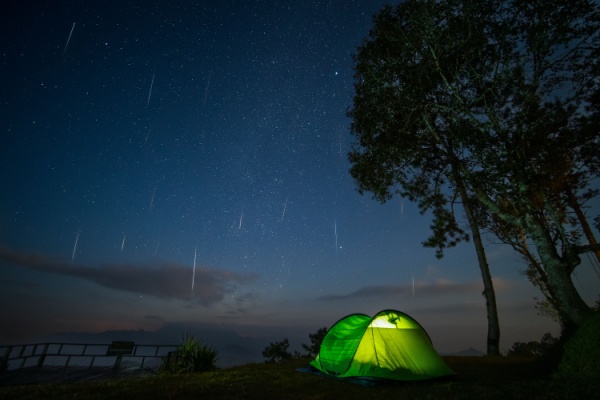
Skywatchers have a good reason to stay up late this week. The annual Leonid meteor shower is approaching its peak, giving people across the U.S. a chance to spot fast streaks of light overhead.
Leonids is usually the most active meteor shower in November. It starts on Nov. 6 and runs until Nov. 30, making it shorter than both Taurids meteor showers. It peaks on the evening of Nov. 16 and the morning of Nov. 17, with forecasts differing slightly on the exact window, according to USA TODAY and other viewing guides.
The good news is that the meteor shower is very easy to find. Meteors from it will appear to originate from the Leo constellation, which is right next to Mars and Jupiter, which are visible in the night sky.
As AL.com reports, the Leonids happen when Earth moves through debris left behind by Comet 55P/Tempel-Tuttle. Tiny pieces of that debris hit Earth’s atmosphere at high speeds and burn up, creating the streaks people call shooting stars. The Leonids can produce around 15 meteors per hour under ideal dark-sky conditions, according to this 2026 viewing guide. Most people may see fewer.
Timing matters. The hours after midnight and before sunrise generally offer the best chance to see Leonids because the shower’s radiant in Leo climbs higher in the sky. The moon also sets before midnight in most U.S. locations during the peak period, leaving darker skies for meteor watching, according to 2026 moon and viewing data.
You don’t need a telescope. Find a safe location away from city lights, give your eyes about 20 minutes to adjust to the darkness and watch a wide section of the sky. A Leonid viewing guide recommends looking after local midnight and using your eyes rather than magnification.
Weather could ultimately decide what people see. Clouds, haze and bright city lights can hide meteors, while clear, dark skies improve the chances. USA TODAY has also published a map showing where viewing conditions could be best.
—
Photo Credit: Take Photo / Shutterstock.com
