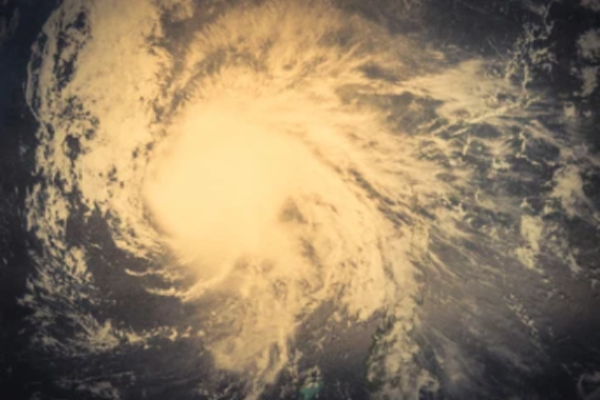
The first hurricane of the 2026 Atlantic season roared into the Southeast over the weekend, where it unleashed flooding rain, destructive winds, and tornadoes..
As AccuWeather reports, the storm intensified quickly in the Gulf, eventually peaking as a major Category 3 hurricane on Friday. By the time Isaias reached the coast, it was a Category 2 hurricane. The center made landfall near Destin, Florida, at 8:30 p.m. CDT Friday with destructive winds, torrential rain and storm surge hammering the western Florida Panhandle.
A wind gust of 116 mph was reported near Santa Rosa Sound, while storm surge reached 5.51 feet at Panama City Beach and 4.16 feet at Apalachicola. Rainfall totals topped 8 inches in parts of the panhandle, including 8.06 inches in Niceville.
Daylight on Saturday revealed extensive damage across communities near landfall, with roofs torn from homes, businesses and other buildings in Pensacola Beach and Milton. Drone footage from Pensacola Beach showed overturned campers, damaged homes and businesses and significant damage to a high-rise building.
Flooding also inundated parts of Fort Walton Beach, where cars were submerged and water entered homes and businesses. Farther west, downtown Pensacola was littered with fallen trees, shattered streetlights and debris.
At least four storm-related deaths had been reported as of Sunday morning. As many as 930,000 customers were without electricity at one point late Saturday morning, but the number of outages has since fallen to around 427,000 nationwide, including 319,483 in Florida, according to PowerOutage.us.
Isaias has now been downgraded to a Tropical Wind and Rainstorm, but rain and gusty winds continue to spread through parts of the eastern United States.
But none of that is why it made history.
Isaias Broke a 121-Year-Old Record
The Atlantic’s hurricane drought is over, and it is now the longest on record. Eight named storms formed in the Atlantic before Isaias, but none reached hurricane strength. When Isaias finally did, reaching hurricane strength over the Gulf Wednesday night, it broke a 121-year-old record for the latest date in the year that an Atlantic season produced its first hurricane. That is later than the first hurricane of any season on record, surpassing the 7 p.m. Oct. 7 mark set in 1905.
Isaias is the ninth named storm of 2026. The first eight were all tropical storms; three of them hit the Gulf Coast, and none reached hurricane strength. In mid-September, Tropical Storm Fay came closest to hurricane status, peaking at 70 mph, 4 mph short of the Category 1 threshold.
Why Did it Take So Long?
Two factors: El Niño and wind shear. A strengthening El Niño, possibly a record-strong one, has driven up wind shear across the Atlantic and kept storms from organizing. Gulf water temperatures in the 80s were the fuel Isaias needed.
But as AccuWeather Lead Hurricane Expert Alex DaSilva stated, Isaias was able to find a pocket of lower wind shear to develop and intensify. “While El Niño does produce more frequent periods of wind shear across the Atlantic, it doesn’t mean that wind shear will always be present across the entire basin throughout the season,” DaSilva said. “There will be breaks in the shear and Isaiais was able to find one of the breaks in the shear. A break in the shear, combined with very warm water and a moist environment, allowed this storm to form.”
During Atlantic hurricane seasons when El Niño conditions are present, there are typically five hurricanes, fewer than when El Niño is not present. The busiest Atlantic hurricane seasons usually happen during La Niña, the counterpart to El Niño.
Only Two Seasons Had Zero Atlantic Hurricanes
Only two seasons in the record, 1907 and 1914, had no known hurricanes. Had Isaias fallen short, 2026 would have joined them as the first hurricane-free season in more than a century. Both of those seasons predate weather satellites, so hurricanes that stayed away from ships and land may have gone unrecorded.
AccuWeather experts are forecasting up to two hurricanes before the Atlantic hurricane season ends on Nov. 30.
—
Photo Credit: Trong Nguyễn / Shutterstock.com
