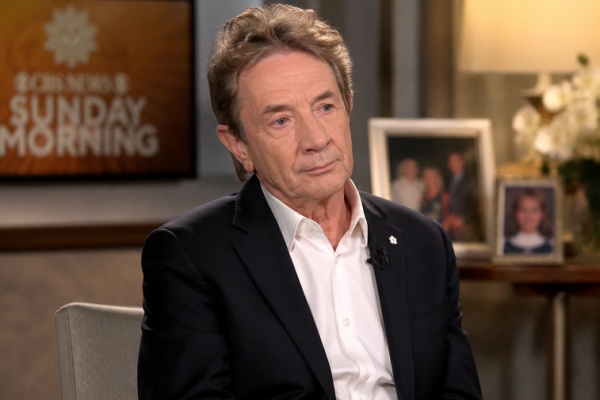
Martin Short is opening up about one of the most devastating chapters of his life, sharing heartbreaking details about the loss of his daughter Katherine Short in a deeply emotional television interview.
The beloved comedian and actor spoke candidly during an appearance on CBS News Sunday Morning, marking the first time he has publicly addressed Katherine’s death since she died by suicide in February at the age of 42.
Short described the tragedy as “a nightmare for the family,” while also speaking with striking honesty about the reality of mental illness. He explained that Katherine had battled serious mental health challenges for years, including borderline personality disorder, and said society needs to recognize psychiatric illnesses with the same seriousness as physical diseases.
The actor reflected on the painful similarities between Katherine’s struggle and the loss of his late wife, Nancy Dolman, who died of ovarian cancer in 2010 after three decades of marriage. Short said both experiences reinforced his belief that some illnesses, whether physical or mental, can ultimately become terminal.
Katherine Short built a career helping others as a licensed clinical social worker. Friends and family have remembered her as compassionate, intelligent, and deeply committed to mental health advocacy. Her death sent shockwaves through Hollywood and among fans who have long admired Short’s resilience and warmth.
The comedian also revealed that the past several months have brought an overwhelming series of personal losses involving close friends and family members, creating what he called a “staggering” period in his life.
Despite the grief, Short said he wanted to speak publicly because he hopes conversations like this can help reduce stigma surrounding suicide and mental illness. His comments arrive just ahead of the release of his Netflix documentary, “Marty, Life Is Short,” which explores his career, personal tragedies, and enduring outlook on life.
For many viewers, the interview offered a rare and vulnerable glimpse into the private pain behind one of comedy’s most recognizable faces, while also highlighting the growing push in Hollywood to speak more openly about mental health.
