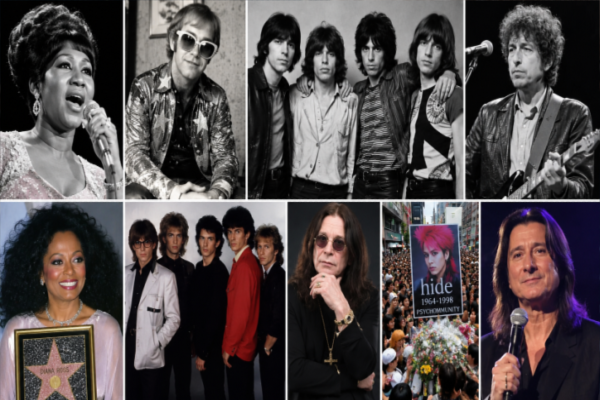
May 7 stands as a surprisingly packed date in music history, delivering milestones that shaped rock, soul, pop, and international music culture for decades to come.
One of the most important moments arrived in 1968 when Aretha Franklin recorded a live album in Paris. Already becoming known worldwide as the Queen of Soul, Franklin’s international performance highlighted just how rapidly her influence had spread beyond American audiences.
That same year also marked the birth of one of music’s most recognizable stage names. Reginald Dwight officially reinvented himself as Elton John, a move that would soon help launch one of the most successful careers in modern pop history.
Rock music took another major step forward in 1971 when The Rolling Stones released “Brown Sugar” in the United States. The single carried extra significance because it became the first release on the band’s own Rolling Stones Records label, signaling a new level of independence for the legendary group.
By 1978, Bob Dylan was proving that his popularity remained unmatched. Fans snapped up 90,000 tickets for his upcoming London concerts in less than eight hours, creating a massive demand surge that reflected his enduring status as one of music’s most respected performers.
The early 1980s brought more recognition for music royalty. Diana Ross received a star on the Hollywood Walk of Fame in 1982, honoring her groundbreaking success both as a solo artist and as a member of The Supremes.
Two years later, The Cars added another memorable hit to their catalog with the release of “Magic.” The single became one of the signature tracks from the band’s Heartbeat City album and helped define the slick pop-rock sound of the decade.
Not every May 7 headline carried a celebratory tone. In 1991, Ozzy Osbourne won a major legal battle after a Georgia judge dismissed a wrongful death lawsuit tied to allegations involving the influence of his music. The case became one of the most closely watched legal disputes surrounding heavy metal and artistic responsibility.
In Japan, May 7 became a deeply emotional day for rock fans in 1998 after the death of X Japan guitarist Hide Matsumoto. Thousands gathered in central Tokyo to mourn the influential musician, underscoring the enormous cultural impact he had on Japanese rock music and visual kei culture.
That same year also marked the end of an era for Journey when longtime frontman Steve Perry officially left the band. His departure closed one of classic rock’s most successful chapters and left fans wondering what the future would hold for the group.
