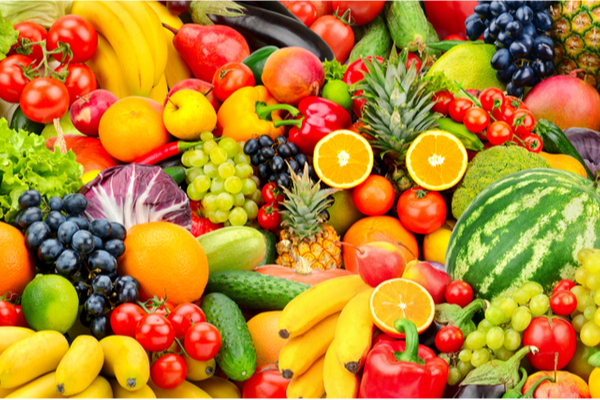
Every year, the Environmental Working Group (EWG) unveils its list of produce found to be contaminated by pesticides—a ranking now known as the “Dirty Dozen.”
As Delish reports, this year, the EWG analyzed 47 domestic and imported non-organic fruits and vegetables available sold in the United States. Among the top 12 most contaminated picks were some of the most commonly eaten fruits in America, including apples and various berries.
This Year’s Dirty Dozen
Among the fruits analyzed, the most contaminated were strawberries, followed by grapes, nectarines, peaches, cherries, apples, blackberries, pears, and blueberries. According to the USDA, apples are the most consumed fruit in the United States, with the average person eating roughly 27 pounds per year across all forms, including fresh, canned, dried, frozen, and juice.
If you’re wondering which vegetables hold this dubious honor, here’s the full list:
- Spinach: Highest residue by weight.
- Leafy Greens: Kale, Collard, and Mustard Greens.
- Strawberries
- Grapes
- Nectarines
- Peaches
- Cherries
- Apples
- Blackberries
- Pears
- Potatoes: New to the list, often treated with sprout inhibitors.
- Blueberries
Additionally, hot peppers and green beans are frequently noted as having high residues.
EWG’s Clean Fifteen List
On the opposite side of the spectrum, pineapples, avocados, papaya, watermelon, mangoes, bananas, and kiwi landed on the EWG’s “Clean Fifteen” list, which includes produce with the lowest levels of pesticide contamination. One thing many of those fruits have in common is an outer layer that is rarely consumed, which can act as a protective barrier against pesticides.
EWG 2026 Clean Fifteen List:
- Pineapples
- Sweet Corn (fresh & frozen)
- Avocados
- Papaya
- Onions
- Sweet Peas (frozen)
- Asparagus
- Cabbage
- Cauliflower
- Watermelon
- Mangoes
- Bananas
- Carrots
- Mushrooms
- Kiwi
How to Clean Up Your Fruits & Veggies for Better Health
Even if some of your favorite fruits are on the Dirty Dozen, there’s no reason to panic. Government agencies do set standards for produce grown with pesticides, and it’s common knowledge that eating fruits and vegetables—even conventionally grown ones—is linked to plenty of health benefits, including a reduced risk of chronic disease and certain cancers.
There are also ways to get around pesticide exposure.
- Take fruit washing seriously by scrubbing your produce under running water or soaking and rinsing more delicate fruits like berries. A 30-second soak in baking soda and water is also highly effective at removing pesticides.
- If you can afford to go organic, this is another way to sidestep pesticide-laden fruits. Either way, don’t let this deter you from eating your favorites—just make sure you take the right steps to get the cleanest version possible.
—
Photo Credit: Serg64 / Shutterstock.com
