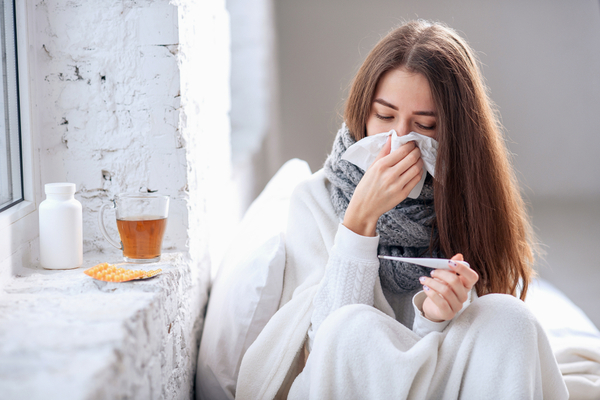
Cases of human metapneumovirus, or HMPV, are hitting certain states, including California and New Jersey, amid fears it can spread further across the nation.
What is HMPV?
According to the Cleveland Clinic, HMPV is a virus that usually causes symptoms similar to the common cold. It often causes upper respiratory infections, but it can sometimes cause lower respiratory infections like pneumonia, asthma flare-ups or make chronic obstructive pulmonary disease (COPD) worse. HMPV infections are more common in the winter and early spring.
Human metapneumovirus most often causes symptoms similar to a cold, but some people can get very sick. You’re more likely to get severely sick the first time you get HMPV, which is why young kids have a greater risk for serious illness. You get some protection (immunity) from your first infection and then are more likely to have mild, cold-like symptoms if you get another HMPV infection. Adults over 65 and people with breathing problems or a weakened immune system may also get severe symptoms.
HMPV spreads through direct contact with someone who has it or from touching things contaminated with the virus. For instance:
- Coughing and sneezing.
- Shaking hands, hugging or kissing.
- Touching surfaces or objects like phones, door handles, keyboards or toys.
Is there a Vaccine or Treatment for HMPV?
As USA Today reports, currently there is no vaccine to prevent it and no specific antiviral therapy to treat it, according to the Centers for Disease Control and Prevention (CDC). Since HMPV is a virus, it can’t be treated with antibiotics, either.
Instead, medical care can be “supportive,” the CDC notes, which often involves treating symptoms. “Most people will recover on their own,” the agency notes, but adds people who get sick should drink plenty of liquids, stay home and rest.
You can manage mild, cold-like symptoms of HMPV at home by:
- Drinking lots of fluids to prevent dehydration.
- Taking over-the-counter (OTC) medications like pain relievers, decongestants and cough suppressants to help your symptoms. Don’t give medications to kids without asking their pediatrician first — some medications that are OK for adults aren’t safe for kids.
However, if you or your child are severely ill, you might need to be admitted to the hospital. There, healthcare providers can monitor your condition and help prevent you from getting sicker. They might treat you with:
- Oxygen therapy. If you’re having a hard time breathing, a provider may give you extra oxygen through a tube in your nose or mask on your face.
- IV fluids. Fluids delivered directly to your vein (IV) can keep you hydrated.
- Corticosteroids. Steroids can reduce inflammation and might ease some of your symptoms.
Why are People Suddenly Talking about HMPV?
HMPV is not a “new” virus in 2026. It was first discovered in 2001, but the reason it’s making the news is due to rising cases diagnosed in the U.S. since an April 2025 outbreak.
As of Feb. 21, the latest data available, HMPV makes up just over 5% of weekly reported positive tests for respiratory viruses, according to the National Respiratory and Enteric Virus Surveillance System, or NREVSS. This is up from 3.83% a week prior. In April 2025, the weekly percentage peaked at 7.43%, the NREVSS data shows.
In New Jersey, the rise in HMPV cases, plus the number of RSV, COVID and flu cases, has led to the number of people seeking out emergency medical care to skyrocket, according to the New Jersey Department of Health.
In Northern California communities, high concentrations of HMPV have been detected in the wastewater, according to data from the WastewaterScan Dashboard, a public database that monitors sewage for infectious diseases.
What are the Symptoms of HMPV?
Symptoms of HMPV include sore throat and cough, wheezing, runny or stuffy nose, fever and shortness of breath, and sometimes a rash, according to the CDC. In some cases, these symptoms can progress to bronchitis, pneumonia, asthma or COPD flareups (if those are preexisting conditions, they can worsen), and an ear infection.
Similar to the flu, HMPV is seasonal, meaning its circulation starts in winter and lasts through spring.
HMPV’s incubation period can be three to six days, according to the CDC, and the groups at highest risk include younger children and adults 65 or older.
When should I see a Doctor?
Contact your healthcare provider if:
- You or your child has symptoms of a respiratory infection and an underlying condition that puts you or them at an elevated risk for severe illness.
- Your symptoms or your child’s symptoms don’t start to improve within a few days or if you or your child has a fever lasting longer than three days.
Go to the ER or seek immediate medical attention if you or your child has symptoms of severe illness, including:
- High fever (over 103 degrees Fahrenheit /40 degrees Celsius).
- Difficulty breathing.
- Bluish skin, lips or nails (cyanosis).
- Worsening of other health conditions.
How to Prevent getting HMPV
While there is no specific treatment or vaccine for HMPV, there are steps you can take to help prevent infection.
Since the virus can be spread from person to person or through surfaces, the CDC suggests following core prevention strategies for respiratory viruses, including:
- Washing hands thoroughly (this takes about 20 seconds with soap warm water). If you aren’t able to use soap and water, use an alcohol-based hand sanitizer.
- Avoiding touching eyes, nose or mouth with unwashed hands.
- Cover your nose and mouth — with your elbow, not your bare hand — when you sneeze or cough.
- Avoiding close contact with people who are sick.
- Don’t share food or eating utensils (forks, spoons, cups) with others.
- Regularly cleaning frequently-touched surfaces.
- Taking steps for cleaner air.
If you have cold- or flu-like symptoms, stay home to prevent spreading the virus. Consider wearing a mask if you’re sick and can’t avoid being around others.
—
Photo Credit: Gorynvd / Shutterstock.com
