Two of K-pop’s biggest global forces are turning their comeback seasons into a showcase of Korea’s cultural identity.
Blackpink and BTS are not only returning with highly anticipated new music, they are placing historic landmarks and national heritage at the center of their global spotlight.
Blackpink will unveil a large-scale collaborative project with the National Museum of Korea to coincide with the release of their new mini album Deadline. The initiative runs from the 26th through the 8th of next month and represents one of the most ambitious partnerships between a K-pop group and a national cultural institution.
As part of the project, the members of Blackpink will lend their voices as audio docents, guiding visitors through eight representative artifacts housed at the museum. Fans and museumgoers alike will be able to hear explanations of significant pieces of Korean heritage narrated by some of the most recognizable voices in pop music.
To mark the occasion, the exterior of a museum building will be illuminated in Blackpink’s signature pink, visually blending contemporary pop culture with centuries of history.
Anticipation is also building around a special listening session scheduled for the 26th at the National Museum of Modern and Contemporary Art. The event, held one day before the album’s official release, will give fans an early chance to experience new tracks. It is the group’s first album release in more than three years, and strong turnout is expected.
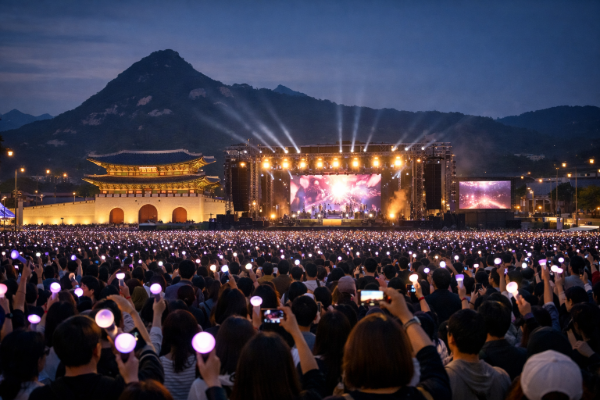
Meanwhile, BTS is preparing for a large-scale return of its own. The group will release its fifth full-length album Arirang next month and stage a comeback concert at Gwanghwamun Square on March 21. The choice of venue carries symbolic weight.
According to Big Hit Music, the meaning embedded in the word Arirang inspired the group to select a location widely regarded as the heart of Korea. Plans call for the performance to begin at Gyeongbokgung Palace, move through Gwanghwamun, and culminate at a main stage set at the northern end of the square. Discussions are ongoing about whether portions of the opening sequence will be performed live or pre-recorded.
Authorities estimate that as many as 260,000 people could gather in and around Gwanghwamun Square for the event. The concert will also be streamed live to more than 190 countries through Netflix, allowing international audiences to experience both the performance and the surrounding historic architecture in real time.
Fans across the globe have already begun revisiting past BTS performances at Korean landmarks, sharing photos and memories online as excitement builds.
Cultural observers say the impact of these projects could extend well beyond ticket sales and streaming numbers. When global stars integrate national heritage into their work in an organic way, it can reshape how international audiences engage with that culture.
With their returns, BTS and Blackpink are not simply promoting new albums. They are placing Korea’s history, architecture, and artistic legacy on one of the world’s biggest stages.
