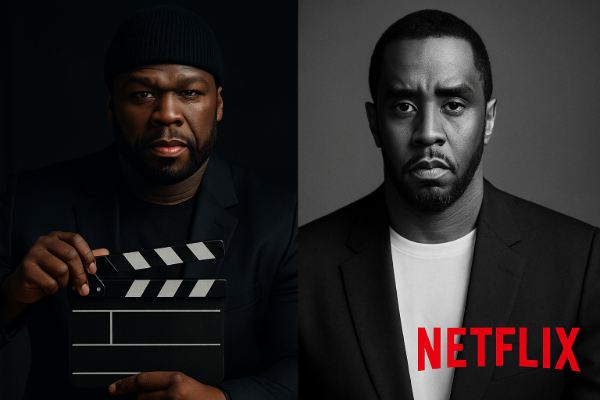
The forthcoming Netflix docuseries Sean Combs: The Reckoning has ignited controversy before its premiere. The series, produced by 50 Cent and directed by Alexandra Stapleton, aims to chronicle the dramatic arc of Sean “Diddy” Combs’s career — from hip‑hop mogul to convicted felon — culminating in a network of allegations, legal battles, and a federal conviction.
Slated for release on December 2, 2025, the four‑part documentary draws from archival footage, interviews with former collaborators, insiders, and even jurors from Combs’s 2025 trial. According to Netflix, the material was obtained legally; they claim multiple efforts were made to secure Combs’s response, but none were provided.
Combs’s camp rejects that narrative. Through a spokesperson, they called the documentary “a shameful hit piece,” and allege the most sensitive footage — including recordings made shortly before his 2024 arrest — was taken from a private project Combs had been working on, without authorization. Legal representatives have formally demanded the series be pulled or risk litigation.
At the center of the dispute is a broader tension: who owns the story of a public figure’s downfall? For viewers, the premiere signals more than the unraveling of one man’s legacy — the very public deconstruction of a hip‑hop icon whose influence shaped decades of music and culture.
Whether the docuseries will proceed as scheduled or face legal interference remains unclear. But given the stakes — questions of consent, legacy, and accountability — the release is already a cultural event. Its aftermath could reshape how truth‑telling, celebrity, and accountability intersect in modern media.
