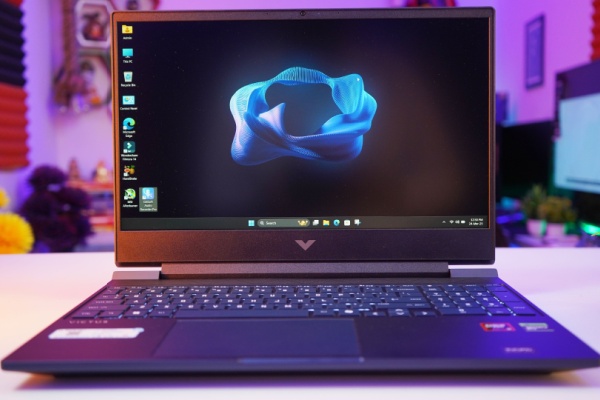
Surging memory costs will eventually force HP to increase prices and offer lower-power product configuration, the company’s CEO warns.
As PCMag reports, in an earnings call last week, Enrique Lores addressed the rising memory costs, which have caused DDR5 RAM pricing to increase by over 200% in recent weeks. The good news is that HP has a memory stockpile, so Lores expects the company “to mitigate the impact of these cost headwinds in the first half of our fiscal year,” which started this month.
But starting in May, rising memory costs will begin eating into PC product margins, which will force HP to take actions. “They include qualifying lower-cost suppliers and redesigning the portfolio for reduced memory configurations, accelerating our AI-enabled transformation to drive further cost savings, and raising prices in close partnerships with our channel and direct customers,” Lores said.
Later in the call, HP’s CEO also noted: “What we have seen in the past in these situations, from a demand perspective, usually the more low-end categories, those that are impacted.” The company also plans on implementing any price hikes on a “case-by-case, country-by-country, category-by-category” basis.
Other smaller PC makers have also been warning about price hikes. CyberPowerPC will do so on Dec. 7. Maingear is also advising consumers to buy PCs and components now, before a wave of price increases is expected to arrive after the Black Friday sales.
The memory shortage has been blamed on rampant demand for AI data centers, which has been eating into supplies for RAM and SSDs. What makes this shortage especially concerning is that it could last for years since the demand for AI might not let up anytime soon.
The CEO of Phison, a major provider of controllers for SSDs, also warned earlier this month that electronics makers could cut the storage capacity of their products by as much as 50% in response to the shortage. Meanwhile, Bloomberg reports that rival PC maker Lenovo has been stockpiling enough memory that it should have enough supplies to last through 2026.
—
Photo Credit: Akmeena777 / Shutterstock.com
