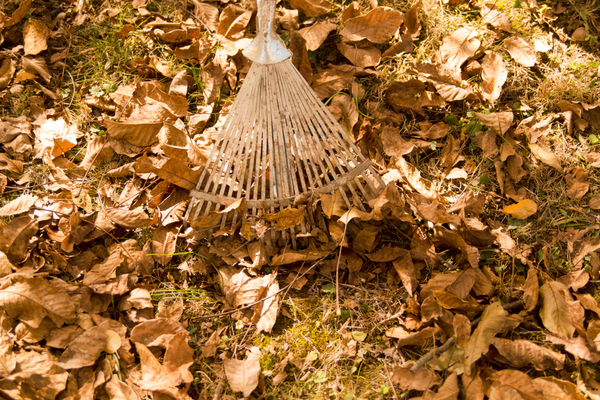
As fall foliage nears its peak and eventually fades across most of the United States, trees will shed their leaves in preparation for winter. This annual event poses a common question for homeowners: Should they rake the leaves in their yard, or let nature take its course?
As CNN and AccuWeather report, while there is no definitive answer, several factors should be considered before picking up a rake and heading outside.
Reasons to rake
Thick piles of leaves can do more harm than good for most lawns, as they can kill the grass underneath throughout the winter months. Additionally, piles of wet leaves can cause mold to grow, which can damage the lawn.
Additionally, pests such as mice and voles can also use the leaves to thrive, according to the University of Minnesota, which may create more problems for homeowners down the road.
Reasons not to rake
Allowing some leaves to remain on your lawn can benefit both the yard and various insect populations. “If you have just a few leaves, such as 20 percent of the lawn covered, you can just ignore them. They will blow around, settle in, and break down on their own,” Wisconsin Horticulture said on its website.
As leaves break down, they return nutrients to the soil, which can help plants grow the following year.
Leaves can also serve as safe harbors for bugs and insects, including lightning bugs, so leaving some leaves can help boost the firefly population for next summer.”Their prey often live in and among the leaf litter in a lawn or garden, and firefly larvae help control many garden pests, thereby helping protect your trees, shrubs, flowers, and veggies,” according to MyGreenMontgomery.org.
Consider a Third Alternative – Mulching
Mulching leaves can be a good middle ground that has similar benefits to raking and not raking. “Some leaf types have been shown to reduce weed seed germination when mulched into a lawn canopy,” the University of Minnesota explained. “The leaves of some particular tree species might actually add a significant amount of nitrogen to lawns.”
Not only will the leaves provide excellent nitrogen and organic matter that your winter grass will love, it’ll:
- protect root systems;
- preserve soil moisture; and
- the lawn mower will help cut weeds, providing critical light for your grass
Mulched leaves also helps wildlife. Mulch can still provide some cover for bugs and insects that rely on leaves in the winter months. Insects depend on leaf litter in the winter to provide protective habitat and food. Those insects in turn become winter food for other animals like birds.
One drawback is that people need the proper lawn mower to mulch their leaves into tiny pieces. For the best results, experts recommend waiting until the leaves are dry and crunchy to mulch them properly.
Is Raking Bad for the Environment?
According to the Chesapeake Bay Foundation (CBF), environmental experts say raking leaves and removing them from your property is not only bad for your lawn but for the environment as a well. The only reason to pick up the rake this year is to help spread the love of your leaves to other parts of the yard or garden that can use this natural fertilizer.
The CBF recommends the mulching alternative, stating that not only does mulching your leaves help your grass and soil, it also helps reduce greenhouse gases and limits waste. According to the Environmental Protection Agency (EPA), 8.7 million tons of yard trimmings, which include leaves, went to landfills in 2017, accounting for just over 6 percent of all waste in landfills. These bags of leaves not only take up space, they also can break down with other organic waste to create methane, a potent greenhouse gas which exacerbates climate change.
If you must rake your leaves, check to see if your city or county has a composting program—some programs even give you mulch in return. Try to avoid raking your leaves for pickup into the street. There, they can clog storm drains and make their way into local streams and the Bay, increasing nutrients and leading to algae blooms and dead zones.
—
Photo Credit: Pixelato by Pearl / Shutterstock.com
