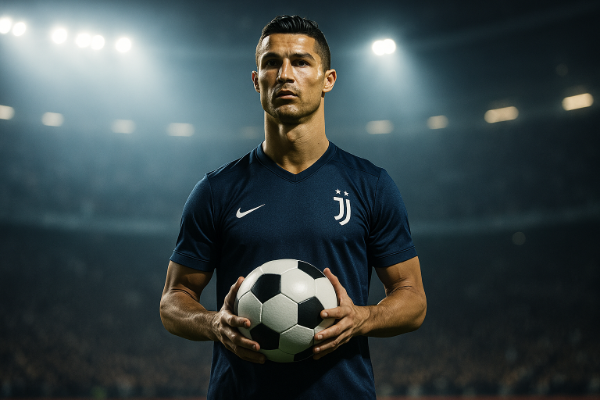
Cristiano Ronaldo has again made headlines, this time for a bold claim about his global recognition. In a recent sit‑down with Piers Morgan, the football superstar declared that “in the world, nobody’s more famous than me.” He argued that across every corner of the planet—even “small islands”—people would know his name before anyone else’s.
The Portuguese forward, who leads the social‐media charts with more than 650 million Instagram followers, used his platform to raise a question: if fame were ranked, why would anyone else outrank him? When Morgan posed the comparison with former U.S. President Donald Trump, Ronaldo didn’t hesitate: the debate, he said, ends with him.
Yet the comment came with a twist. Ronaldo admitted that such fame comes at a cost. “It is boring … I wish to don’t be so famous. Really, really. It’s boring, trust me,” he said, reflecting on the limits of living as one of the most recognized people in sport and beyond.
The interview also touched on his personal life: after eight years together, Ronaldo and Georgina Rodríguez are engaged, signifying a milestone beyond his athletic achievements. While the world may already know what number he wears, how many goals he’s scored, and which club he plays for next, Ronaldo’s latest remarks show that even one of the most celebrated athletes on earth isn’t immune to the curiosities and burdens of global fame.
Whether one agrees with Ronaldo’s ranking of himself or not, the episode underlines how contemporary athletes navigate more than games and statistics—they contend with brand, persona, and celebrity at unprecedented scale.
