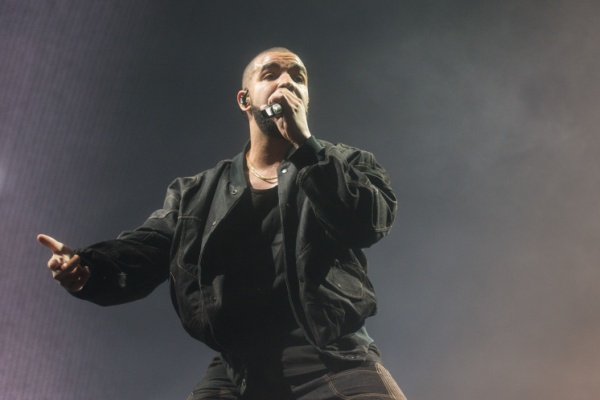
The major streaming service Spotify now faces a class‑action lawsuit alleging it allowed fake or bot‑generated streams to inflate artist numbers, resulting in a distorted royalty model and harm to legitimate artists. Filed on November 2, 2025 in a California federal court, the complaint names Spotify as the defendant and claims that one of the world’s top streaming artists, Drake, though not accused of wrongdoing, appears in the filing as a beneficiary of what the plaintiffs describe as a “sprawling network of Bot Accounts.” While the suit does not allege that Drake himself orchestrated the behavior, it underscores his vast catalog of roughly 37 billion streams and contends that an unspecified but “non‑trivial percentage” of those counts derive from artificial activity.
The heart of the litigation lies in the way streaming royalties are paid: Spotify pools subscription and ad revenue and distributes it based on each artist’s percentage share of total streams. If an artist’s streaming count is artificially inflated, the payout model means other artists receive a smaller slice. The lawsuit contends that fraudulent streaming therefore translates to actual lost income for rights‑holders who generate authentic listens.
Supporting its argument are alleged red flags: the filing points to a 2024 instance in which some 250,000 streams of a track were logged as emanating from the UK but reportedly originated via VPNs in Turkey, among other suspicious patterns. Further, the complaint indicates that less than 2 percent of accounts were producing about 15 percent of an artist’s total streams, and fewer than 1 percent accounted for 9 percent of streams — irregularities the plaintiffs argue suggest bot‑farm behavior.
Spotify’s official response states that the company in no way benefits from such fraud, that it has invested in best‑in‑class systems to detect artificial streaming and that its fraud detection measures are effective — citing a prior case where, though $10 million in fraudulent royalty claims were alleged across platforms, Spotify’s portion was only $60,000.
The lawsuit is led by RBX (real name Eric Dwayne Collins), a rapper who is acting for a class of songwriters, performers and producers who claim they are the backbone of the industry yet receive less payment because of inflated metrics. The case taps into a broader concern: independent estimates suggest a sizeable share of streams across platforms may be inauthentic, prompting questions about fairness, transparency and the future of streaming as a compensation model for music creators.
As the case progresses, it could force deeper scrutiny of streaming platforms, their payout mechanics and the methods by which listens are tracked, verified and attributed. For artists and rights‑holders who rely on the legitimacy of those metrics, the outcome may bring significant financial and structural implications for the industry.
—
Photo Credit: Jacob giampa / Shutterstock.com
