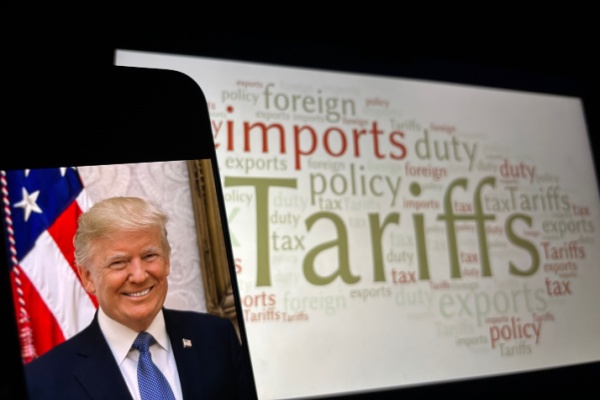
On August 29, the Trump administration ended U.S. duty-free imports of packages worth less than $800, known as the de minimis exemption that has fueled a surge in shipments from global sellers to U.S. consumers. The tariffs make shipments to the U.S. from overseas retailers more expensive, unless the sellers absorb the tariff costs.
The de minimis exemption, explained
A de minimis exemption is a provision, such as Section 321 in the U.S. Tariff Act, that allows for the duty-free entry of very “low-value” shipments into the country, with the legal principle being that the law doesn’t concern itself with trifles. The de minimis exemption for packages valued under $800 into the United States recently ended for goods originating from China and Hong Kong on May 2, 2025, with the broader exemption ending on August 29, 2025. This change means most low-value imports into the U.S. are now subject to applicable duties and tariffs, impacting consumers and e-commerce businesses.
Turmoil in postal services across the world
According to The Business of Fashion, this change has caused turmoil in postal services across the world, with Australia Post, Britain’s Royal Mail, Germany’s DHL, Japan Post, Korea Post and others pausing shipments to the U.S. It’s harder for small businesses to absorb tariffs, and some are planning to increase their prices to offset tariff costs.
International beauty brands suspend shipping to the U.S.
Now that the Trump administration has eliminated the loophole, many international indie beauty brands have decided to follow the example set by the international postal services and stop shipments to the U.S. With the change, businesses could be charged $80 to $200 per parcel depending on the origin country’s tariff rate. Indie beauty brands in countries such as Canada and Australia have been sending emails to their customers and posting on social media warning them of delivery stoppage.
However, despite concerns about sales erosion as a result of the loophole closure, most businesses don’t expect to completely pull out of the U.S. – yet. Regardless, prices are about to go up, and supply is about to go down for American consumers.
—
Photo Credit: bella1105 / Shutterstock.com
