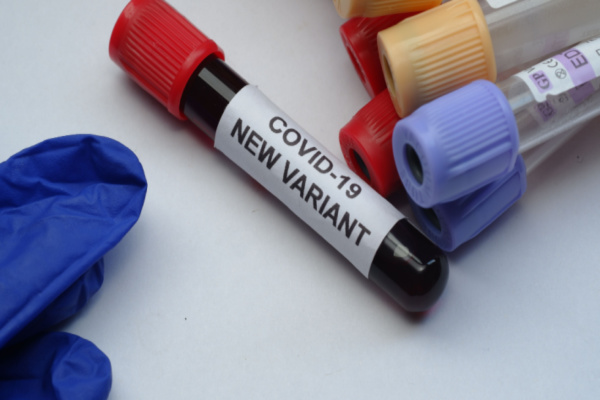
A fast-spreading new COVID variant known as NB.1.8.1 has been detected in the U.S.
As Health reports, while experts say it’s too soon to say whether the virus might cause higher COVID cases this summer, the variant’s growth in other parts of the world is prompting close monitoring by health officials. The World Health Organization (WHO) has classified NB.1.8.1 as a “variant under monitoring.”
Here’s what to know about NB.1.8.1, including where it’s spreading, how it compares to previous variants, and whether your current COVID vaccine still offers protection.
What Is NB.1.8.1?
According to Health, first detected in late January of this year, NB.1.8.1 is a descendant of the Omicron JN.1 lineage and has seen a sharp rise in global cases in recent weeks. The most recent data from the WHO states that NB.1.8.1. accounted for 10.7% of global sequenced COVID cases between April 21 and April 27—up from 2.5% just a month earlier.
The variant is genetically different from the current dominant strain in the U.S., LP.8.1, said Shira Doron, MD, chief infection control officer at Tufts Medicine. That difference could be important, as NB.1.8.1 isn’t part of the “subvariant soup” that we’ve been seeing in the U.S. in the last couple of years, Doron told Health.
Still, the new Omicron variants seem to be evolving to be more similar to one another, she said, which could reduce the risk of a major shift in the disease.
Where Has NB.1.8.1 Been Found?
Fewer than 20 sequences of NB.1.8.1 have been identified in the U.S. so far, according to a spokesperson for the Centers for Disease Control and Prevention (CDC), but the variant has been detected in international travelers at airports in California, Washington, Virginia, and New York City.
In what feels like deja vu from 2019, globally, the variant has been spreading rapidly in China and Hong Kong. As of May 28, NB.1.8.1 has been found in 22 countries.
What Are the Symptoms of NB.1.8.1?
Experts agree: the symptoms of NB.1.8.1 look like other COVID infections. “COVID is COVID is COVID,” William Schaffner, MD, professor of infectious diseases and of health policy at the Vanderbilt University Medical Center, told Health. “There’s never been anything really distinctive about any of these variants,” Schaffner added, “except that the earlier COVID variants were more likely to put you in the hospital.”
Most people with NB.1.8.1 can expect to experience symptoms including:
- Fever or chills
- Cough
- Sore throat
- Congestion
- Fatigue
- Difficulty breathing
- Diarrhea
The good news: NB.1.8.1 doesn’t appear to cause more severe illness than previous variants.
Could NB.1.8.1 Cause a Summer COVID Surge?
Although NB.1.8.1 only makes up a small percentage of U.S. cases right now, experts are keeping a close eye on it. The variant carries six spike protein mutations, which could make it better at spreading and evading antibodies.
Those mutations and preliminary data suggest that NB.1.8.1 may be slightly more transmissible, according to Amy Edwards, MD, infectious disease specialist and assistant professor of pediatrics at the Case Western Reserve University School of Medicine. Still, it’s likely that the U.S. could see rising COVID numbers this summer—due to NB.1.8.1 or another variant.
“Unlike influenza, which has one major increase a year in the winter, COVID, over the past several years, has had two: one in the mid-to-late summer, and then again, one in the winter,” Schaffner said. Also noteworthy: While NB.1.8.1 has multiple mutations, those alone “wouldn’t be enough to cause a big surge,” said Doron.
Do Current Vaccines Still Work Against NB.1.8.1?
Experts said existing immunity from vaccines or prior infections should provide some protection against NB.1.8.1. New COVID booster shots from Pfizer, Moderna, and Novavax are also in the works—slated to be available in early fall—and early data suggests they’ll work well against NB.1.8.1 or other more common U.S. strains, Doron explained.
A caveat: We don’t actually know which type of vaccine the FDA is going to recommend, Edwards added. So right now, it’s “hard to say” whether a COVID vaccine would be completely effective against NB.1.8.1, she said.
Trump Administration Ends COVID Vaccine Program for Many
But all of this is happening just as the Trump Administration has declared that annual COVID-19 shots for healthy younger adults and children will no longer be routinely approved under a major new policy shift.
Top officials for the Food and Drug Administration (FDA) laid out new requirements for yearly updates to COVID shots, saying they’d continue to use a streamlined approach that would make vaccines available to adults 65 and older as well as children and younger adults with at least one health problem that puts them at higher risk.
How to Stay Safe as COVID Cases Rise
While NB.1.8.1 isn’t causing alarm among experts, many agree that precautions still matter—especially for older adults, immunocompromised individuals, or people with underlying health conditions. “COVID hasn’t disappeared,” said Schaffner. “It’s still causing about 300 deaths across the country each week. So it’s still a notable infection, and it is affecting people in higher risk groups.”
Even with booster access up in the air, Doron said she doesn’t expect NB.1.8.1 will have a big impact on the trajectory of COVID. Still, to reduce your risk, Edwards said the following steps can help:
- Wash your hands regularly
- Wear a mask and stay home when you’re feeling sick
- Practice proper coughing and sneezing etiquette (into your elbow)
Schaffner summed it up: “We’re going to have to keep living with COVID—it’s not going away.”
—
Photo Credit: wisely / Shutterstock.com
