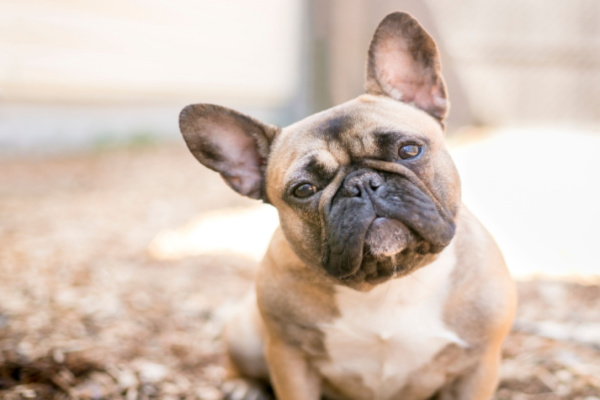
The short answer is, yes. Dogs and cats can develop a form of dementia called Cognitive Dysfunction Syndrome (CDS). This condition, also known as canine cognitive dysfunction in dogs and feline cognitive dysfunction in cats, is similar to Alzheimer’s disease in humans. It involves age-related brain changes that cause cognitive decline, impacting memory, learning, and behavior.
What is Cognitive Dysfunction Syndrome (CDS)?
Cognitive Dysfunction Syndrome (CDS) – commonly referred to as “dementia” – is an age-specific disease. CDS is more common in older dogs and cats, with studies showing that a significant percentage of senior pets exhibit signs of cognitive decline.
According to Four Paws, due to plaque deposits in the brain, many older dogs and cats experience a decline in their cognitive abilities that affects their perception, recognition, memory and learning. Your pet may be diagnosed with CDS if they show certain changes in their behavior and if other possible physical and medical causes have been ruled out.
How is CDS Diagnosed? What are the Symptoms?
CDS is often underdiagnosed, meaning many pet owners may not recognize the signs of cognitive decline. A diagnosis of CDS is made on the basis of the following classic signs (if they are not found to have other causes such as disease, pain or effects of medication). This list of signs is known by the acronym DISHA. You should keep an eye out for these signs as your pet changes with age. Symptoms of CDS can include:
Disorientation/Confusion: Your pet becomes disorientated in familiar rooms. They may run behind the sofa and not know how to get out again. They may avoid familiar objects because they no longer recognize them or run into walls and doors or stare blankly at them. They may drop their food and be unable to find it again. You may also notice that your pet barely recognizes you and your other pets and is less responsive to sights and sounds.
Interactions/Social Relationships: Your dog or cat shows less interest in interacting with you or with other animals of their own species. They show less interest in being stroked and may even avoid contact with you. They greet you less often than before. Conversely, your pet may become excessively affectionate towards you, while showing irritation or aggression towards other animals.
Sleep/Wake Cycle is Altered: Your pet turns night into day: they sleep more in the daytime but are awake more at night, when they may be restless and noisy.
House Soiling: ‘Accidents’ occur in the home because your cat may no longer be able to find the litter tray or the cat flap. Your dog no longer lets you know when they need to go outside, or they go out but then come back indoors to poo and pee there.
Activities and Mood Shifts: You may increasingly notice your pet aimlessly wandering around and sniffing. Their previous interest in exploring, playing and other activities may diminish. Similarly, they may lose interest in food, or they may bolt their food and ask for more because they have forgotten that they just emptied their bowl. Your pet will certainly neglect their self-hygiene. You may also notice that they become more fearful – both of familiar noises or objects and of being abandoned by you.
Treatment Options
Unfortunately, dementia is not curable. However, there are steps that can be taken to slow the progress of the disease, including dietary changes, environmental stimulation and medication. If you suspect that your pet may be developing or already has dementia, you should take them to your vet for an accurate diagnosis.
What you Can Do for Your Pet with Dementia
- Maintain familiarity. If possible, don’t move house or make changes to the room where your pet spends most of their time, so they don’t get confused.
- Brain training. Choose activities for your pet that will help keep their brain active. This might include toilet-training them again using a clicker or giving them intelligence toys and food toys. Teach your pet new tricks. Where possible, let them engage in new activities.
- Enrichment. Create new and varied opportunities for your older dog or cat to explore, climb or hunt. This will help them stay alert and active.
- Offer support. Don’t get upset with your pet if they are no longer house-trained. They can’t help it. Go outside with your dog more often for toilet breaks. Set up several litter trays for your cat – that way they are less likely to soil the home.
- Focus on safety. Don’t let your cat go outside unsupervised – they could get lost. If necessary, take them for walks on a lead. Similarly, keep your dog on a lead when you go for walks so they can’t run into the street.
- Create resting areas. If other animals make your pet aggressive, you should create a rest area for your pet that the other animals don’t have access to.
- Do a lot during the day. Keep your pet busy for long periods in the daytime. This will help them sleep better at night.
- Food supplements and medication. Ask your vet for advice on these.
—
Photo Credit: Mary Swift / Shutterstock.com
