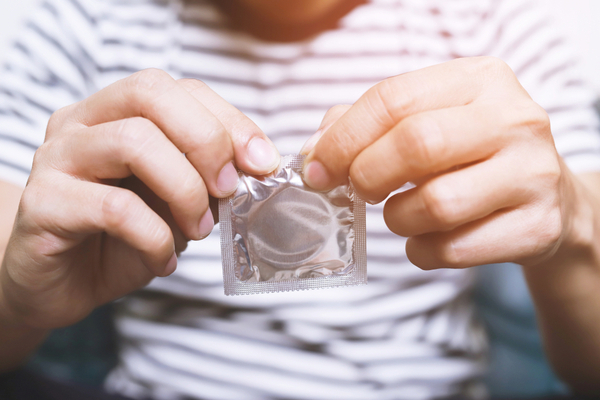
National Condom Week came into being to raise awareness about the importance of using condoms to prevent sexually transmitted infections (STIs) and diseases (STDs) like syphilis, gonorrhea, AIDS, and unplanned pregnancies.
But also, and equally as important, to encourage open conversations about sexual health and empower individuals to make informed choices regarding their personal sexual well being. Essentially, it’s a dedicated time to promote safe sex practices by highlighting the benefits of condoms.
Key points about National Condom Week:
- Focus on prevention:The primary goal is to educate people about how condoms can effectively protect against STIs like HIV, chlamydia, and gonorrhea, as well as unintended pregnancies.
- Open communication:It aims to encourage open discussions about sexual health, breaking down stigmas surrounding sex and condom use.
- Community engagement:This week is a time for health organizations, schools, and communities to come together and promote safe sex practices.
- Timing: National Condom Week typically takes place around February 14th to 21st – purposely meant to coincide with Valentine’s Day. Because who wants to put a damper on all that love in the air with a nasty STI?
Fun Facts… about Condoms?
The origins of condoms are still debatable. Some say that the Egyptians were behind the invention of condoms as can be seen in many murals and paintings from 3000 B.C. Others suggest that the earliest known contraceptive method might have been the Pessary which is said to be created in 1800 B.C. They were made of honey and animal dung and were inserted into the vagina to stop sperm cells from entering.
In the approximately 5,000 years that people have used condoms, they’ve been made of various materials, including latex, rubber, textiles, goat bladders and sheep intestines.
Do you know that it has been almost 170 years since rubber condoms were used for the first time? In 1848m the vulcanization of rubber gave birth to rubber condoms.
Condoms are one of the few contraceptive methods that provide 98% protection from sexually transmitted diseases and unplanned pregnancies. So if you’re gonna get it on, put it on.
For more resources, visit the CDC’s page on condom use at https://www.cdc.gov/condom-use/.
—
Photo Credit: fongbeerredhot / Shutterstock.com
