Hollywood is no stranger to drama, but the latest legal battle between actress Blake Lively and director Justin Baldoni has sent shockwaves through the entertainment industry. What began as a promising collaboration on the 2023 hit film “It Ends With Us” has unraveled into a bitter courtroom showdown, featuring allegations of harassment, manipulation, and defamation.
The Allegations That Sparked a Firestorm
The feud began with a New York Times exposé published in December 2024, portraying Lively as the victim of repeated harassment by Baldoni during production. The article, based on text messages and internal communications, painted a picture of inappropriate behavior, including instances where Baldoni allegedly entered Lively’s trailer uninvited while she was breastfeeding.
The Times report also claimed Lively faced a retaliatory smear campaign when she voiced her concerns. However, Baldoni and his team fired back, accusing the Times of misrepresentation and defamation through “cherry-picked and altered communications.”
Baldoni Strikes Back with a $250 Million Lawsuit
On Tuesday, Baldoni, along with producers Jamey Heath and Steve Sarowitz, and publicists Melissa Nathan and Jennifer Abel, filed a $250 million libel lawsuit against the Times. The plaintiffs allege the article relied on manipulated evidence to push a false narrative, stripping conversations of crucial context.
The lawsuit argues that the Times ignored evidence contradicting Lively’s claims and accuses the publication of promissory fraud and breach of implied contract. Baldoni’s legal team also claims that Lively and her husband, actor Ryan Reynolds, pressured his agency WME to drop him as a client, further damaging his reputation.
Lively Responds with Federal Complaint
Lively’s attorneys swiftly countered with their own federal complaint filed in New York, accusing Baldoni and his associates of retaliation and violating workplace safety laws.
“Unfortunately, Ms. Lively’s decision to speak out has resulted in further retaliation and attacks,” her legal team stated. They argue that Baldoni’s lawsuit is a smear campaign designed to intimidate Lively and others who supported her.
A Battle Over Text Messages and PR Tactics
Central to both lawsuits is the content of text messages exchanged between Lively, Baldoni, and others involved in the production.
Baldoni’s lawsuit highlights texts that appear to show Lively approving wardrobe choices described as “sexy” and initiating casual conversations, challenging the Times’ portrayal of her as uncomfortable on set.
Meanwhile, the Times cited messages from publicists Nathan and Abel that allegedly celebrated planting negative stories about Lively in the media—a claim they dismiss as sarcastic banter taken out of context.
The lawsuit also disputes the narrative of sexual harassment, claiming one incident—where Baldoni showed Lively a video of a woman giving birth—was misrepresented. Baldoni maintains the video was a non-sexual reference for a birthing scene in the film.
The Role of Hollywood Power Players
The lawsuits delve into the Hollywood power dynamics at play, with Baldoni’s legal team accusing Lively and Reynolds of leveraging their influence to manipulate media narratives and pressure agencies to drop support for Baldoni.
According to the complaint, Reynolds’ “aggressive and inappropriate” behavior during meetings created a hostile work environment, a claim denied by Lively’s camp.
A Blockbuster Fallout
Despite the drama behind the scenes, “It Ends With Us” proved to be a commercial success, earning $351 million globally on a $25 million budget. However, the chances of a sequel now seem slim amid the mounting legal battles and soured relationships.
While Baldoni’s reputation has taken a hit, Lively faces her own challenges, with critics questioning her motives and whether her claims were calculated power plays rather than genuine concerns.
What Comes Next?
Both lawsuits are likely to lead to lengthy legal battles that will put the industry’s power dynamics, PR practices, and journalistic ethics under the microscope. With accusations of manipulation, retaliation, and defamation flying in both directions, the case has already drawn comparisons to previous high-profile Hollywood scandals.
The New York Times stands by its reporting, promising to vigorously defend its credibility in court. Meanwhile, Baldoni and Lively prepare for a discovery process that could make their private messages public record—potentially redefining the careers of everyone involved.
For now, Hollywood watches as this courtroom saga unfolds, proving that the most compelling drama isn’t always on screen.
—
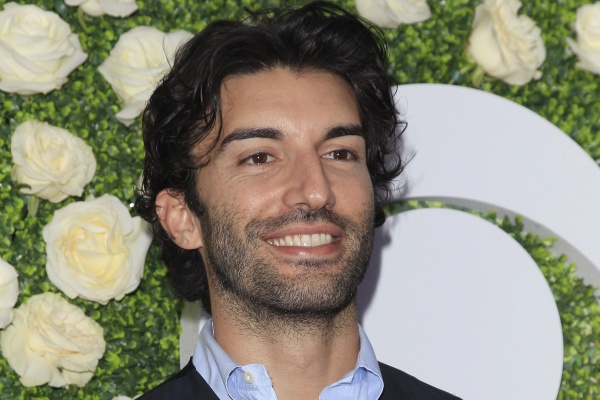
Photo Credit: Kathy Hutchins / Shutterstock.com
