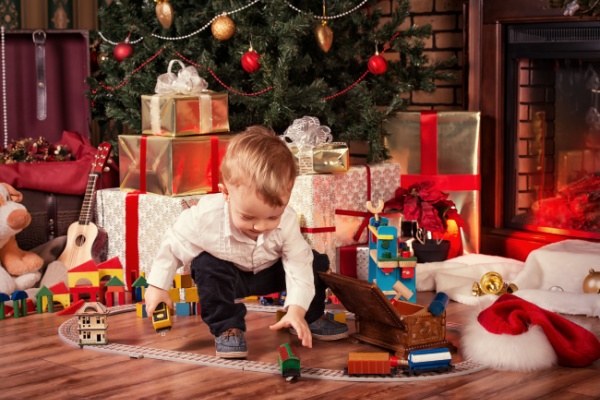
Everybody remembers the classic “You’ll shoot your eye out, kid!” from A Christmas Story. Well, as funny as that movie is, real eye injuries, and even permanent blindness, are a serious problem, especially during the holiday toy-giving season. Which is why December has been named, “Safe Toys and Gifts Month,” an observance that was started by the nonprofit organization, Prevent Blindness, to encourage age- and ability-appropriate gift-giving during the holiday season, especially for children under age three.
Too often, accidents involving children and toys occur and may result in eye and other injuries, including blindness. Did you know that an estimated nearly 155,000 children under age 12 were treated in emergency rooms for toy-related injuries in 2023 (according to a November 2024 report from the U.S. Consumer Product Safety Commission)? And, according to the American Academy of Ophthalmology, approximately 1 in 10 children’s eye injuries that end up in the ER are caused by toys.
To ensure a safe and enjoyable holiday season, here are six essential toy safety tips:
- Keep it age-appropriate: always check the age recommendations on toy labels. Toys intended for children under three should not have small parts as these could be a choking hazard. For older children, consider whether the toy could be accessed by younger siblings.
- Provide the right accessories: riding toys, bikes and scooters is associated with the most injuries and deaths for children. Provide appropriate helmets and safety pads when gifting these types of toys.
- Read the labels: many newer toys follow stricter safety guidelines but can still have cautions. Make sure to read all the labels and descriptions to understand what materials the toys are made with and if they contain any form of button batteries or magnets. It also helps to explain to your kids how to use the toy safely.
- Check for wear and tear: whether you are purchasing brand new or buying used, evaluate the toys for missing parts, broken lights, wood splinters or loose thread. Inspect toys for safe, sturdy construction. Fix or throw away broken toys.
- Evaluate the seller: third party sites or retailers may leave out important information on a toy. Make sure that you are completely aware of what you will be receiving and who is manufacturing the item.
- Check for recalls: be up-to-date on any toy recalls by referring to the CPSC website.
And Always
- Keep young children away from toys meant for older children.
- Supervise your children while playing.
- Store toys properly after play to avoid risks or falls.
- Supervise children’s craft projects (scissors and glue can be extremely dangerous to a child’s eyesight).
- Have children wear the right eye protection for sports (face shields, helmets, eyeguards).
The American Public Health Association also offers guidelines on the steps to take before letting children play with toys this holiday season and beyond. When it comes to toys, many accidents and injuries involving children can be avoided by taking the proper precautions. Let’s all do our part to encourage safety!
—
Photo Credit: Kiselev Andrey Valerevich / Shutterstock.com
