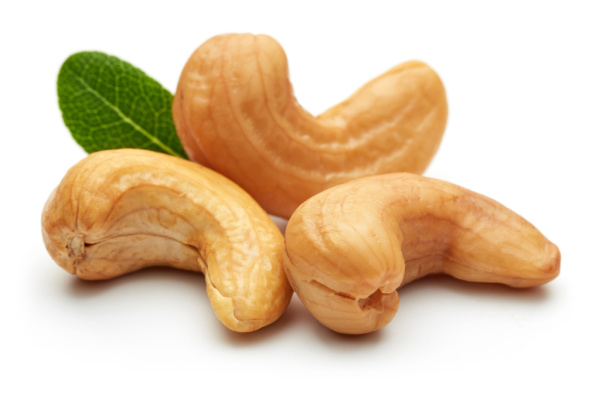
November 22 is National Cashew Day, but this little nut packs as much of a punch in health benefits as it does in taste! Here are just a few of the reasons why you should add them to your diet:
Heart Health. Cashews are known to be a good source of healthy dietary fats, which are essential for our body to absorb the fat-soluble vitamins (vitamin A, D, E, and K) and produce fatty acids that are vital for the development of the brain and blood clotting. These healthy fats include monounsaturated fats (MUFA) and polyunsaturated fats (PUFA). They are good for the heart and help reduce bad cholesterol (LDL cholesterol) if consumed in appropriate amounts, even in diabetics. The inclusion of nuts such as cashews, fish, and vegetable oils like olive oil and canola oil in the diet can provide these healthy unsaturated fats to the body.
Muscle and Nerve Health. Cashews are a good source of magnesium, which is vital for the healthy development of bones, muscles, tissues, and the body’s organs. Magnesium may help maintain blood pressure, boost immunity, maintain nerve function, and keep the bones strong. It also may be involved in metabolic functions and helps regulate the blood sugar levels of the body (via insulin activity). A deficiency of magnesium can alter the metabolism of calcium and the hormones responsible for its regulation.
Bone Health. Cashews provide phosphorus, which can be essential for the healthy development of teeth and bones. Phosphorus may also aid in protein synthesis, absorption of carbohydrates and fats, and the maintenance of cellular health.
Boost Immune System. Cashews contain zinc, which plays a vital role in the strengthening of the immune system against microbial infections, and the healing of wounds. It can be extremely important during pregnancy for the growth of the baby and the developmental years of childhood to maintain a healthy body.
Diabetes Management. Cashews possibly contain very low amounts of sugar, and no harmful cholesterol, making them safe for people with diabetes. However, only 4-5 cashew nuts are recommended per day by nutritionists.
Promote RBC Formation. Cashews are rich in copper, which may help in the metabolism of iron, aiding in the formation of red blood cells (RBC), and helping to keep the bones and immune system healthy. It can also be vital for the nervous and skeletal systems of the body. A deficiency of copper in the body may result in osteoporosis, irregular heartbeats, and anemia.
Reduce Risk of Anemia & Fatigue. Cashews are known to be a source of dietary iron which is known to be vital for carrying oxygen around the body and aids in the functioning of enzymes and the immune system. A deficiency of iron in the diet can lead to fatigue, anemia, and increased susceptibility to infections.
Prevent Gallstones. Gallstones are stone-like deposits that usually consist of cholesterol, which accumulates in the gallbladder. Risk factors include age, weight, and any gastrointestinal issues. Regular inclusion of healthy nuts like cashews can help lower the risk of the formation of gallstones.
Overall, cashews are a healthy option to be included in almost any diet. If consumed in appropriate quantities, they can help maintain a healthy lifestyle. The key is moderation: each ounce of cashews contains around 160 calories, so it’s best to limit yourself to a handful (16-18 nuts) a day. Cashews can stand as a good alternative to compensate for essential nutrients, particularly in those who are vegetarian, vegan, or avoid meat products. However, despite several health benefits, they can be dangerous for those who are allergic to tree nuts. Please consult a doctor if you develop any allergy symptoms or reactions after consuming cashews.
—
Photo Credit: mahirart / Shutterstock.com