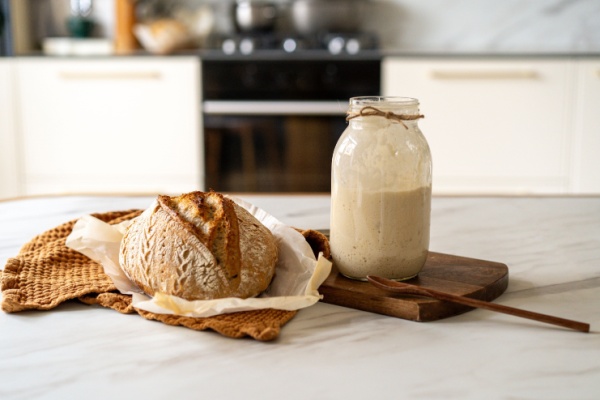
Sourdough September is an annual, worldwide, month-long celebration launches by the Real Bread Campaign to promote the joy of making and eating “real” sourdough bread. The campaign encourages people to bake their own sourdough, buy genuine sourdough from independent bakeries, and learn about the natural fermentation process that gives sourdough its unique flavor, texture, and nutritional benefits.
According to the Real Bread Campaign, this is a celebration of the art of genuine sourdough bread and people who make it. “The ninth month of the year is when we go on a mission to help everyone discover that: life’s sweeter with sourdough!“
What’s the Purpose of Sourdough September
Launched in 2013, the main aims of #SourdoughSeptember are encouraging people to:
- Bake genuine sourdough bread.
- Buy genuine sourdough bread from small, independent bakeries
- Boost the Real Bread Campaign, run by the charity behind Sourdough September.
For 12 months of the year, the Campaign promotes Real Bread in general, with September being a focal point for sourdough in particular.
Sourdough September is run as an opportunity for genuine sourdough bakers and baking teachers to showcase what they do.
It’s also time to shout louder than usual ‘say no to sourfaux‘ to alert people to this problem and help them avoid paying a premium for something that simply isn’t the real deal.
What is Genuine Sourdough Bread?
The word sourdough on its own is often used as shorthand for a sourdough starter cuture, and for bread etc. made by the sourdough process.
Sourdough isn’t a look, style, taste, trend or fad, it’s is a process. It simply means making Real Bread using only a live sourdough starter culture, without any other rasing agent. This process can be used to make pretty much any type of bread (sweet or savoury) in the world.
True, or genuine, sourdough bread has just three ingredients: flour, water and salt. The naturally occurring wild yeasts and bacteria floating in the air combine with water and flour to create a healthy sourdough starter. The sourdough starter is the levain. When you keep it at room temperature and feed your starter daily, it ferments, giving the dough rise and the tangy, flavorsome bite we enjoy!
Yeasts and lactic acid bacteria that are naturally present on the surface of grains end up in flour. These can be nurtured to create a thriving sourdough starter culture that can be used to make bread from as few as three ingredients – flour, water and salt.
Other natural /minimally-processed ingredients (seeds, fruit, herbs, oils etc.) can be added but genuine sourdough bread making does not involve the use of baker’s yeast, chemical raising agents, so-called processing aids or other additives.
When you look at a label on many commercially made breads marked “sourdough” in stores, they contain commercial yeast, baking powder, or other additives to cause the rise. This means it’s not true sourdough.
Just Say No to Sourfaux!
In 2015, Real Bread Campaign co-ordinator Chris Young coined the word sourfaux for any product that is named or marketed using the word sourdough but that is made using one or more additives and/or an alternative raising agent (such as baker’s yeast or baking powder) in addition to or instead of a live sourdough starter culture.*
As the yeast(s) found in a live starter typically produce carbon dioxide at a slower rate than commercial baker’s yeast, the rising time is longer. This longer fermentation period allows other changes to occur in the dough that could have benefits other than flavor alone.
The Real Bread Campaign believes that to be named or marketed using the word sourdough, bread must be:
- Made without any additives – ie the main criterion in our basic defintion of bread.
- Leavened only using a live sourdough culture, without the addition of any commercial yeast or other leavening agents, e.g. baking powder.
- Made without using other ingredients/additives as souring agents or as sourdough flavouring, e.g. vinegar, yoghurt, or dried sourdough powder.
How to Make Your Own Sourdough Starter
If you’re really lucky, you have a friend who already has one – perhaps treasured and passed on in their family for generations – that they are willing to share with you.
But if not, to make a sourdough starter, simply mix 60g of flour and 60g of water in a jar, cover it, and leave it in a warm spot for 24 hours. The next day, discard half the mixture, add 60g of flour and 60g of water, and mix well. Repeat this daily feeding and discarding process for about seven days, or until the starter is bubbly, has a pleasant sour smell, and reliably doubles in size within a few hours of feeding.
Here is an Easy 7 Steps guide to an “Incredible Sourdough Starter,” from The Perfect Loaf.
Potential Health Benefits of Sourdough Bread
Sourdough bread has been claimed to have several health benefits, although scientific evidence is mixed. Here are some potential benefits:
Improved Digestion: The fermentation process in sourdough bread breaks down complex carbohydrates and gluten, making it easier to digest. This can be beneficial for people with gluten sensitivities or digestive issues, and why many who are “gluten-free” can tolerate sourdough bread.
Lower Glycemic Index: Sourdough bread has a lower glycemic index than white bread, meaning it releases sugar into the bloodstream more slowly. This can help regulate blood sugar levels and reduce the risk of type 2 diabetes.
Increased Nutrient Availability: The fermentation process also makes nutrients in sourdough bread more bioavailable. This includes vitamins, minerals, and antioxidants.
Prebiotic Content: Sourdough bread contains prebiotics, which are non-digestible fibers that feed beneficial bacteria in the gut. This can improve gut health and support the immune system.
Reduced Phytate Content: Phytates are compounds in grains that can inhibit the absorption of certain nutrients, such as iron and zinc. The fermentation process in sourdough bread reduces phytate content, making these nutrients more accessible.
Potential Anti-inflammatory Effects: Some studies suggest that sourdough bread may have anti-inflammatory properties, which could potentially benefit people with conditions like arthritis.
However, it’s important to note that these health benefits may vary depending on the specific recipe and ingredients used. Additionally, more research is needed to confirm these benefits and determine their clinical significance. It’s always recommended to consult with a healthcare professional before making any significant changes to your diet.
How to Share Your Love of Sourdough with the World
YOU can join the fun with many thousands of people around the planet by tagging your (relevant) social media posts with #sourdough, #SourdoughSeptember and us:
Facebook, Instagram and Threads = @RealBreadCampaign
BlueSky = @realbreadcampaign.bsky.social
Then, if applicable, add:
#SourdoughSelfie if it’s a photo of yourself making sourdough, or holding a loaf of genuine sourdough bread you’ve baked or bought from a Real Bread bakery. Remember, as it’s a selfie, we want to see YOU in these photos, not just your crumb shots!
#WeAreRealBread if you are one of the people behind the rise of Real Bread. Whether farmer, miller, baker or baking teacher, please help the world see you to help celebrate the diversity (in all senses) of our supporters and other companions.
—
Photo Credit: Nastyaofly / Shutterstock.com